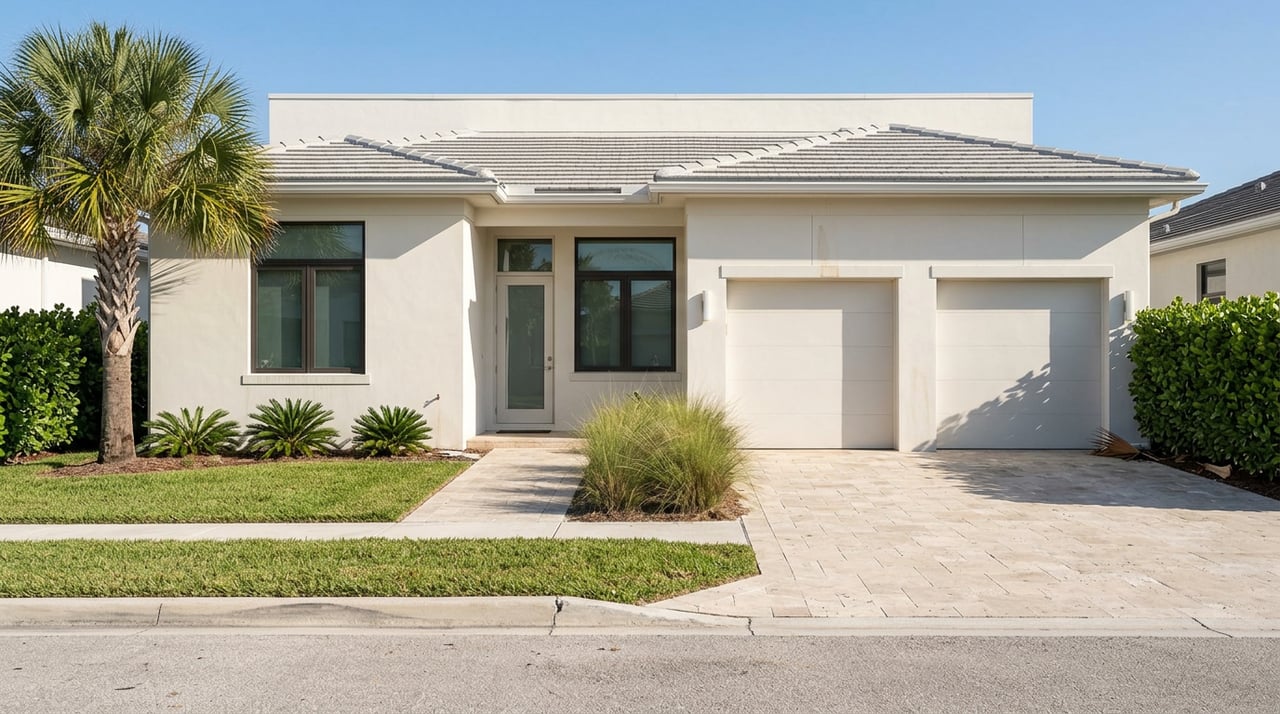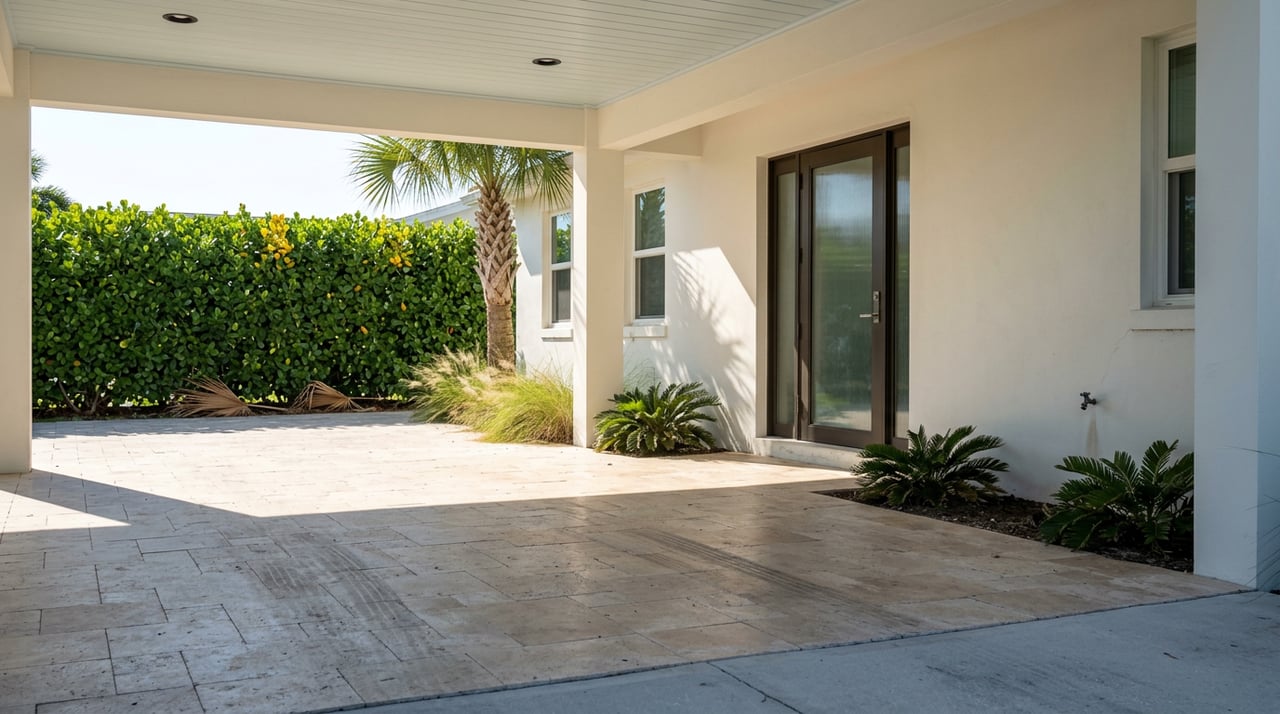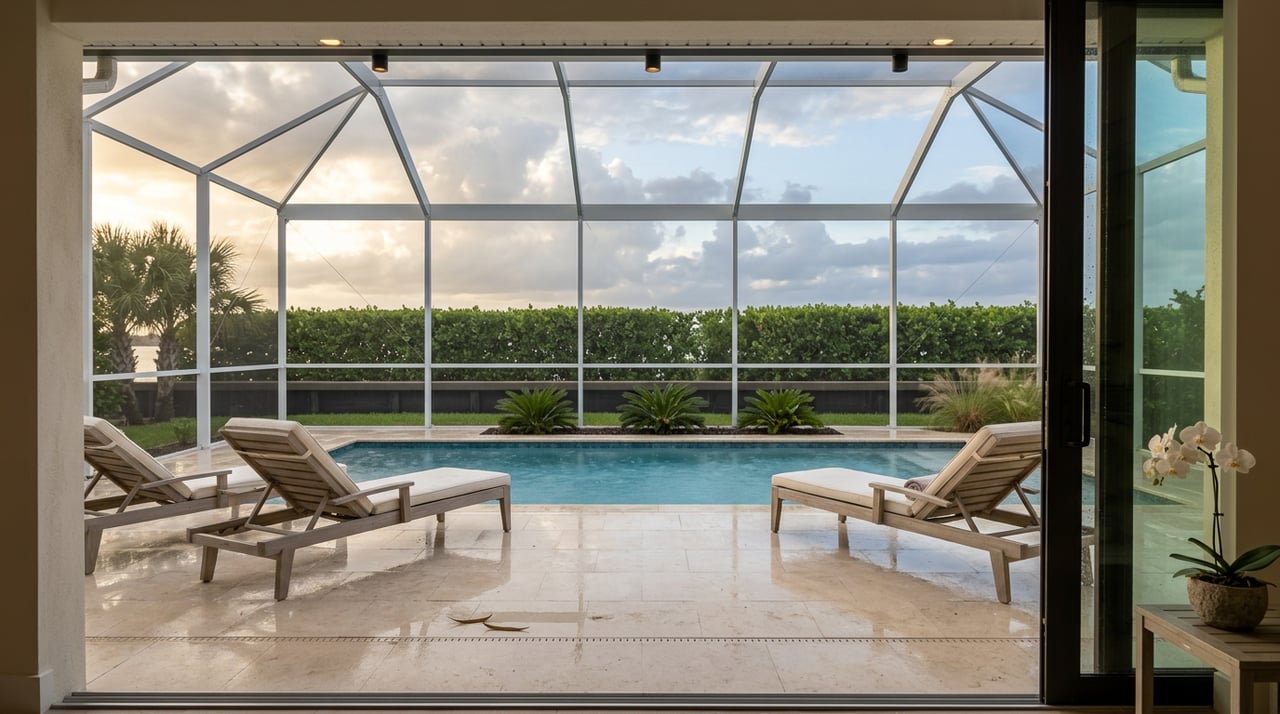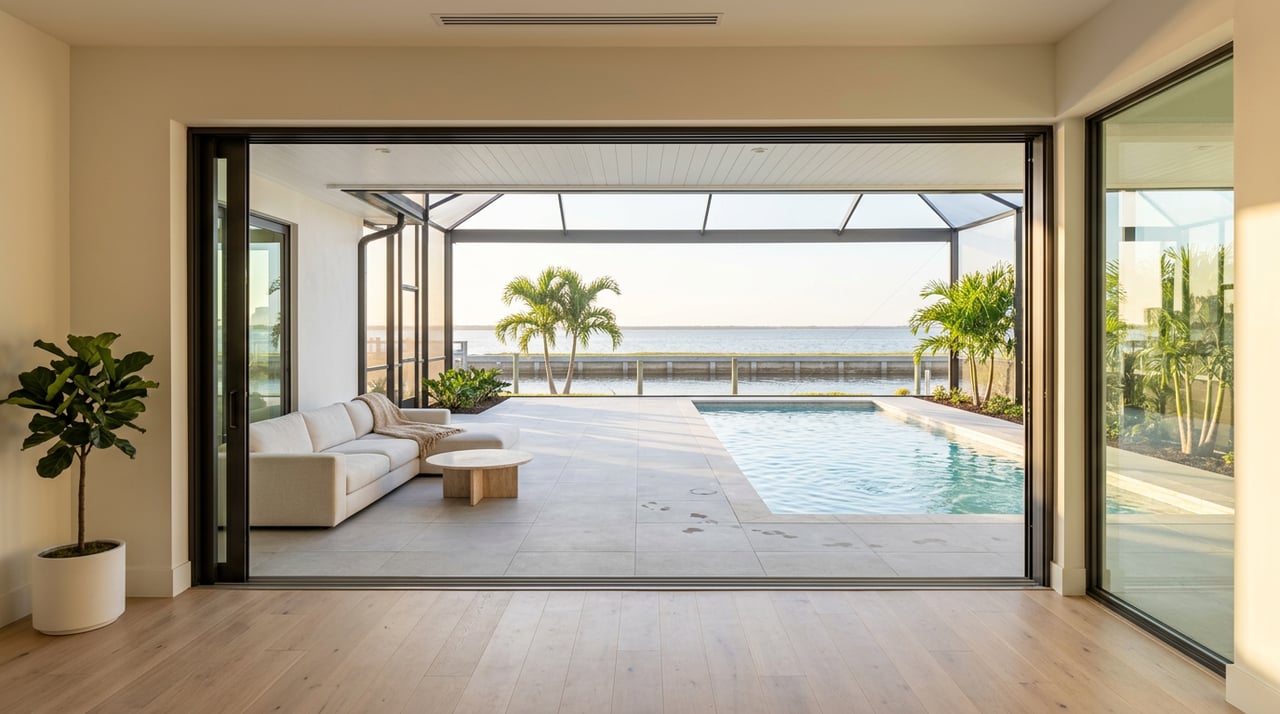
Thinking about turning your Cape Coral home into a vacation rental but not sure where to start? Between city registration, guest turnovers, hurricane prep, and waterfront upkeep, it can feel like a lot. The good news is that a clear process and the right partner make it simple and profitable to manage. In this guide, you’ll learn the essential rules, step-by-step setup, day-to-day operations, and the numbers that matter in Cape Coral. Let’s dive in.
Why Cape Coral works for vacation rentals
Cape Coral’s canal network and easy access to the Gulf draw consistent seasonal demand. Market data shows a recent local average occupancy around 56% with an ADR near $262.6, according to AirDNA’s Cape Coral overview. Actual performance depends on bedroom count, amenities, and location.
Waterfront homes often command a premium thanks to boating, views, and outdoor living. That premium comes with added responsibility, including dock and seawall maintenance, insurance, and vendor coordination. A thoughtful operating plan helps you capture the upside while protecting your asset.
Know the rules first
City registration requirements
Cape Coral requires annual registration for all residential rentals. Short-term rentals, defined by the city as six months or less, have specific fees and stronger enforcement. You must register, keep your manager’s contact details current, and renew each year. Review the city’s official process on the Cape Coral rental registration page.
Penalties for failing to register or misclassifying your rental can be significant. If you change managers, notify the city and update your registration.
State DBPR licensing triggers
Florida treats many short stays as public lodging. Under Chapter 509, a property rented to the public more than three times per year for periods under 30 days, or advertised that way, may require a DBPR license. Confirm your specific use against Florida Statute §509.013 and secure any needed licensing before you go live.
Taxes: sales tax and Lee County TDT
Short-term stays are generally subject to Florida sales/transient rental tax and the Lee County Tourist Development Tax (TDT). In Lee County, owners commonly account for 6.5% sales tax (state plus local surtax) plus a 5% TDT, which often totals about 11.5% on taxable rental charges. Learn about the county program on the Lee County TDT page.
Some platforms collect and remit certain taxes, but coverage varies by channel and location. You should confirm, for each booking channel, who collects which taxes and maintain your county registration when platforms do not remit on your behalf. Owners should consult a licensed tax professional and local counsel to confirm tax treatment and licensing for their property.
HOA and community rules
HOA or condo documents can limit or prohibit short-term rentals, even when the city allows them. Check recorded covenants, parking limits, and occupancy rules during onboarding. Do not market amenities that your community rules do not permit.
What a full-service manager handles
Onboarding in 1–4 weeks
- Legal and tax setup: confirm city registration, assess DBPR license needs, and handle Florida sales tax and Lee County TDT registration as required. See the Cape Coral registration resource and the Lee County TDT page.
- Safety and compliance: smoke and CO detectors, extinguisher, pool safety features and signage, and any required inspections.
- Property intake: assess HVAC, roof, electrical and plumbing; for waterfront homes, review dock and seawall condition and pull any permit history.
- Listing creation: professional photos, floor plan, amenity and rule lists, and a clear house manual.
- Pricing and calendar: set minimum stays and enable dynamic pricing, with a 2–6 week test period to calibrate rates.
- Soft launch: take initial bookings, refine cleaner schedules, and tighten guest communications.
Deliverables typically include your signed agreement, live listings, owner portal access, tax/account setup support, and your first monthly statement.
Day-to-day operations
- 24/7 guest communications and emergency response.
- Turnover cleaning and inspections with supply restocking and damage checks.
- Preventive maintenance scheduling: pool care, HVAC filter changes, landscaping, pest control, plus marine vendors for docks and lifts when applicable.
- House rules and screening: clear occupancy limits, check-in instructions, and appropriate monitoring tools where allowed by law.
Many managers set service levels for response times, such as 1 hour for emergencies, same day for urgent issues, and next business day for standard tasks. Exact timelines vary by company and vendor availability.
Hurricane season plan
Hurricane season runs June 1 to November 30. A good plan covers guest-friendly policies for early departures, storm shuttering and boarding, post-storm inspections, and vendor access for water extraction or rapid repairs. Managers also coordinate with carriers for claims support and keep an updated emergency vendor roster.
Waterfront specifics to get right
Dock, lift, and seawall care
Gulf-access locations can lift demand and pricing but increase maintenance needs. Verify dock and seawall condition during onboarding, pull permit history, and add a qualified marine contractor to your vendor list. Only market boat access or lift capacity if it is permitted, safe, and service-ready.
Boats and water gear
If you provide a boat, kayaks, or access to a lift, consider added liability and strict operating rules. Require life jackets where applicable and clear instructions in your house manual. Discuss watercraft liability and coverage with your insurance advisor before allowing guest use.
Water quality and wildlife
Cape Coral and nearby Gulf waters can experience periodic advisories, including red tide or algal blooms. Wildlife, such as alligators in canals, is part of the environment. Include guidance in your house manual and check local advisories before promoting water-based activities.
Fees, costs, and performance
Common fee models
Full-service vacation-rental managers that handle marketing, bookings, 24/7 support, cleaning coordination, and maintenance typically charge about 20% to 35% of gross rental revenue. Hybrid or marketing-only models can be closer to 10% but shift cleaning and local operations to you. Request an itemized fee schedule so you know exactly what is included.
Owner costs to budget
- Turnover cleanings and restocking
- Utilities and internet
- Pool, landscaping, and pest services
- Repairs and routine maintenance
- Platform commissions and payment processing
- Property, liability, and flood insurance
- Waterfront upkeep and capital reserves for dock or seawall work
KPIs your manager should report
- Occupancy rate and seasonality trends
- ADR and revenue per available night
- Gross revenue and your net payout after fees
- Guest ratings and repeat-guest percentage
- Maintenance spend and reserve draws
Sample Cape Coral revenue math
Using a recent market snapshot from AirDNA’s Cape Coral overview, ADR ≈ $262.6 and occupancy ≈ 56% imply a simple annual gross estimate near $54,000 (ADR × 365 × occupancy). This is a market-average illustration, not a forecast for your home. Actual results vary by size, location, condition, and amenities. After a management fee, approximately 11.5% in combined taxes on taxable charges, and operating costs, your net will be lower. Model conservatively and maintain reserves for waterfront and weather-related expenses.
30-day launch checklist
- Week 0–1
- Sign management agreement and gather documents: deed, HOA rules, insurance, and any prior permits.
- Start city registration and Lee County TDT setup if required.
- Week 1–3
- Complete safety walk-through and any upgrades.
- Inspect dock and seawall, if applicable, and line up marine vendors.
- Capture professional photography and floor plan.
- Build listings and enable dynamic pricing.
- Week 3–4
- Soft launch with test bookings, refine turnover timing, and finalize house manuals and emergency instructions.
- Confirm insurance endorsements and vendor response protocols.
- Ongoing
- Monthly owner statements and payouts, quarterly performance reviews, and annual tax support.
Insurance and risk safeguards
Standard homeowners policies often exclude business activity. Many owners choose short-term rental insurance or add STR endorsements, and a commercial general liability or umbrella policy. For context on common coverage gaps, review this overview from Bankrate on STR insurance, then speak with an independent insurance agent.
Flood risk is separate from homeowners coverage. Check your FEMA flood zone in Lee County and explore NFIP or private flood options. Start with the county’s updates on FEMA map changes in Lee County. Align limits with your rental use and waterfront exposure.
Owners should consult a licensed tax professional and local counsel to confirm tax treatment and licensing for their property.
Getting started with a trusted partner
You do not have to manage this alone. A full-service approach brings clear processes, vetted vendors, responsive guest care, and the right pricing strategy so you can enjoy your waterfront home and protect your time. If you want a boutique, results-driven partner who understands Cape Coral’s canal lifestyle and investor priorities, connect with Sebastian Bokemeier for a private consultation.
FAQs
What licenses do I need to operate a Cape Coral vacation rental?
- Register your rental annually with the city and verify whether your use triggers a Florida DBPR vacation-rental license under Florida Statute §509.013; start with the city’s rental registration page.
How are Cape Coral short-term rental taxes calculated and paid?
- Short stays typically incur about 6.5% Florida sales tax plus a 5% Lee County Tourist Development Tax; confirm platform collection and maintain county registration using the Lee County TDT resource.
What is different about managing a gulf-access home?
- Demand and ADR can be higher, but you will budget for marine vendors, dock and lift maintenance, seawall care, and stricter safety documentation before marketing boat or water access.
Do Airbnb or other platforms collect my Cape Coral taxes for me?
- Some platforms collect certain state or local taxes, but coverage varies by channel; verify each platform’s policy and keep your county TDT account current when a platform does not remit on your behalf.
What insurance do I need for a waterfront STR in Cape Coral?
- Consider dedicated short-term rental coverage and a liability or umbrella policy, plus separate flood insurance; start with this Bankrate overview and review Lee County’s FEMA map changes with your agent.
When is hurricane season and what should my plan include?
- Season runs June 1 to November 30; outline shuttering, cancellations, guest communication, vendor access, and post-storm inspections, and keep emergency contacts updated.
How long does onboarding take and what do I receive?
- Most homes launch in 1–4 weeks, covering legal and tax setup, safety checks, professional media, pricing, and a soft launch; you receive live listings, portal access, and monthly statements.
What performance should I expect from a Cape Coral rental?
- As a reference point, AirDNA’s Cape Coral overview shows recent averages near 56% occupancy and $262.6 ADR; your results will vary by size, condition, amenities, and location.