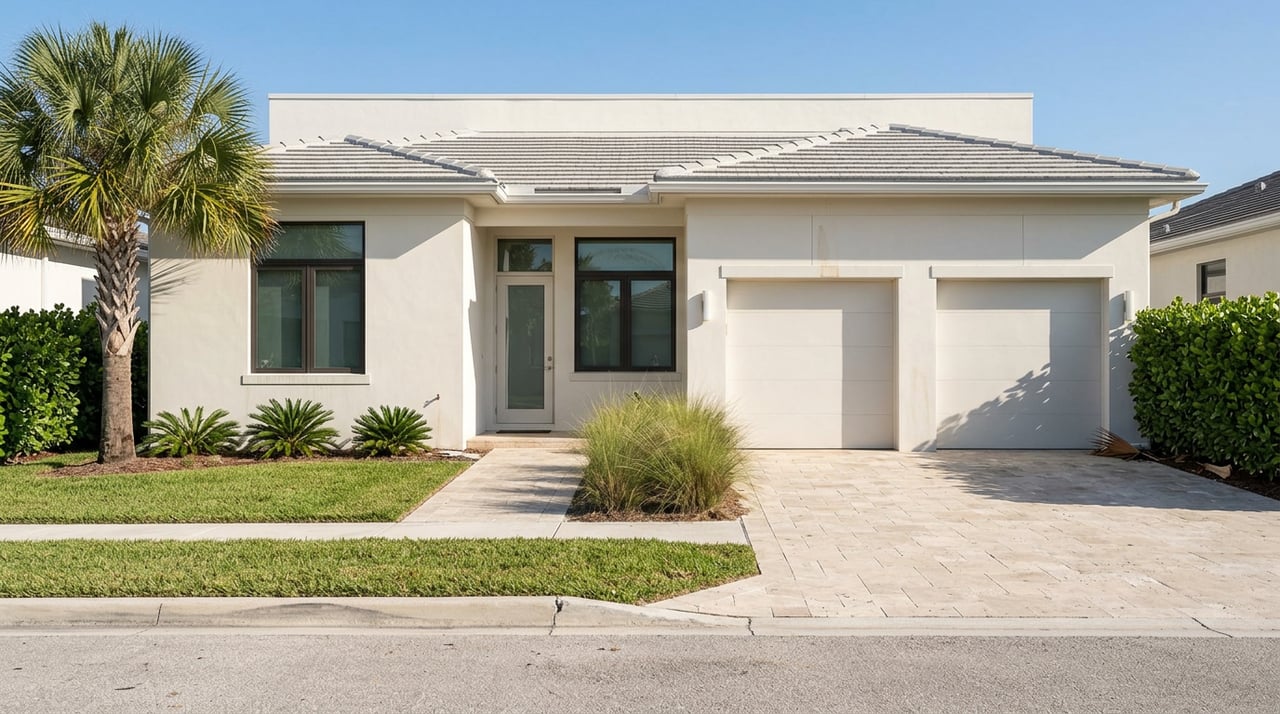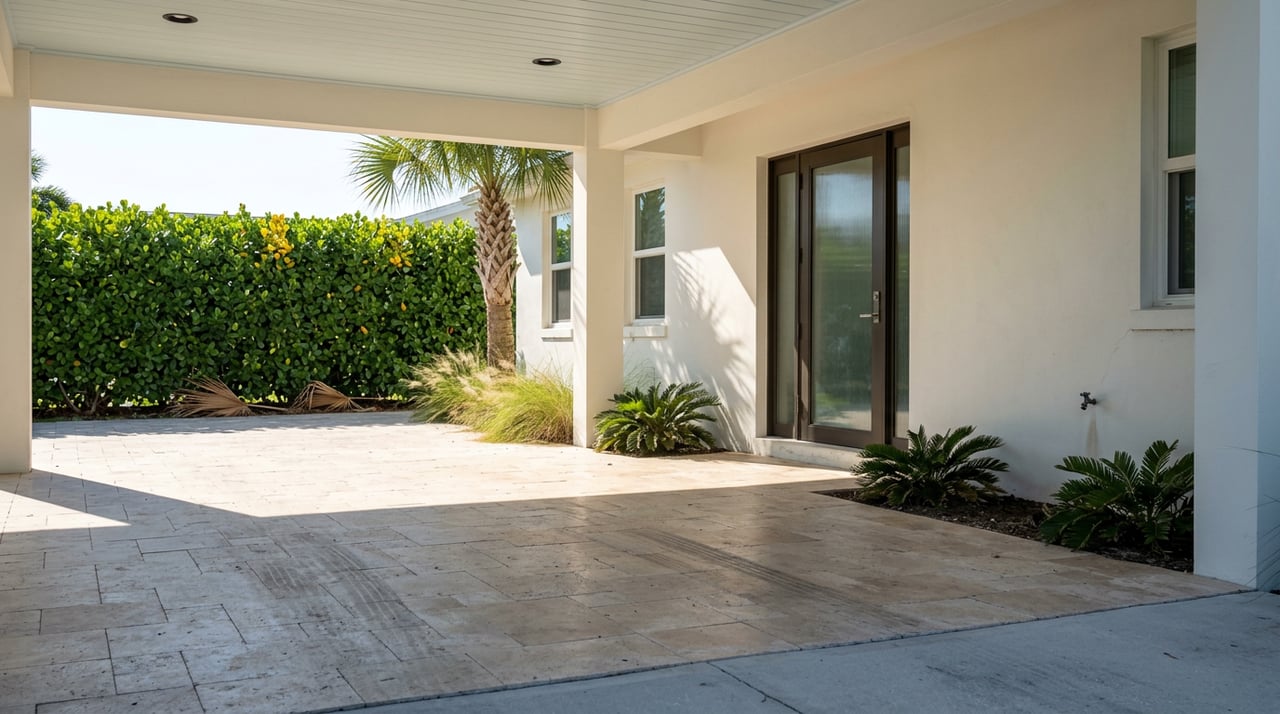
What makes a Marco Island home truly memorable to guests? It is usually not one dramatic design feature. It is the way the home feels easy, polished, and ready for real beach living from the moment guests walk in. If you want your property to stand out, the smartest design choices balance style with durability, comfort, and local practicality. Let’s dive in.
Design for Marco Island Living
Marco Island is a beach-and-water destination, with visitors drawn to white-sand beaches, boating, paddling, fishing, and other outdoor activities, according to Paradise Coast. That means your home should support the way guests actually use it.
In practice, that starts with flow. Guests need space to come and go with beach bags, coolers, towels, and sandy feet without feeling like they are disrupting the house. A memorable home feels relaxed and effortless, not delicate or overdesigned.
The local climate matters too. NOAA climate normals for the Naples area show warm temperatures year-round, with an annual mean temperature of 75.5°F and a wetter season from June through September. That is why moisture-tolerant materials, washable surfaces, and shaded outdoor areas are more than nice upgrades. They are smart long-term design decisions.
Create an Easy Arrival Experience
First impressions matter, especially in a vacation home. When guests arrive, they should immediately understand where to drop keys, shoes, towels, and beach gear.
A simple entry zone can make a big difference. Even if you do not have a formal mudroom, you can create one with a bench, hooks, a durable rug, and closed storage. This keeps the home looking calm while making daily use much easier.
A visible guest guide also helps. The City of Marco Island’s owner guidance encourages owners to provide information about trash pickup, noise regulations, parking, wildlife, and other local rules through printed or digital materials, as outlined on the city owner information page. A well-placed house manual can improve the guest experience while helping protect your property.
Choose Finishes That Handle Sand and Weather
In a coastal home, durability is part of good design. The finishes that look beautiful on day one should still perform well after repeated guest turnover, beach traffic, humidity, and rainy-season use.
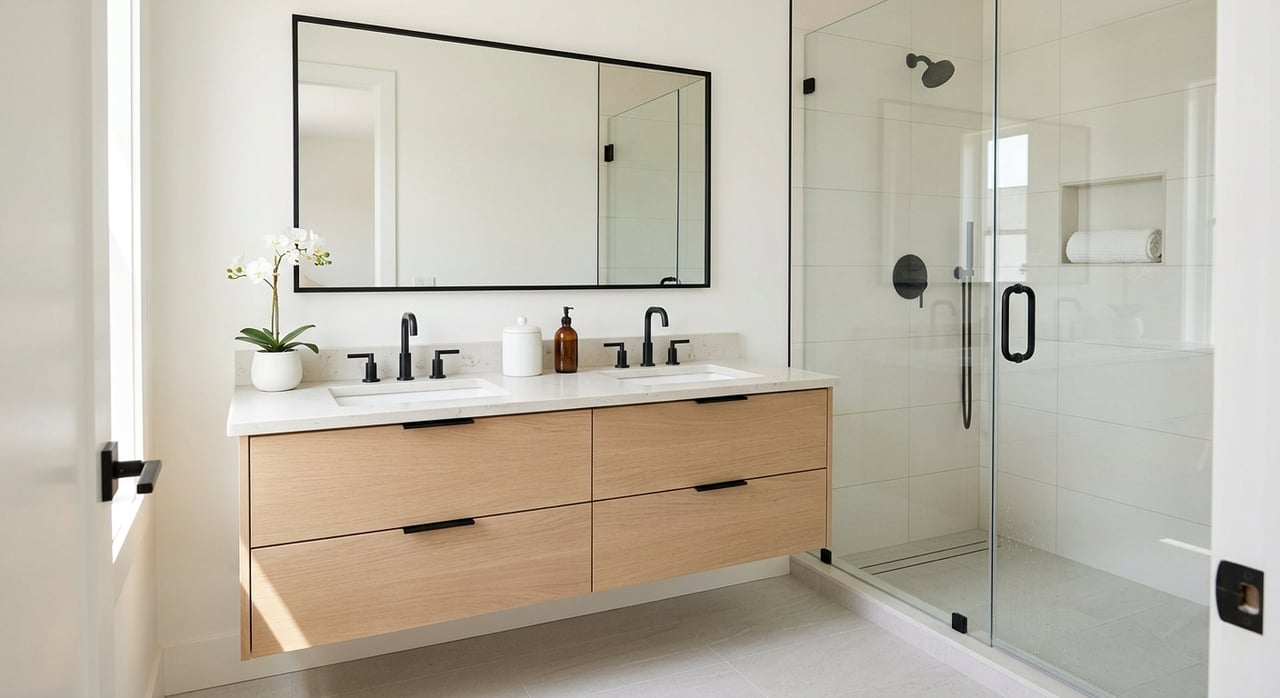
Hard-wearing flooring is one of the best investments you can make. Tile and other sealed flooring surfaces are generally more practical than materials that trap sand, absorb moisture, or show wear quickly. The same logic applies to countertops and upholstery. Quartz-like counters and stain-resistant fabrics tend to hold up better in a high-use setting.
If you are remodeling a lower-level or flood-exposed area, material selection becomes even more important. FEMA defines flood-resistant materials as those able to withstand direct floodwater contact for at least 72 hours, which offers a useful benchmark when planning resilient updates for coastal properties.
Best interior features to prioritize
- Open living and dining areas
- Seating that matches the home’s sleeping capacity
- Hard-surface, easy-clean flooring
- Stain-resistant upholstered furniture
- Laundry access
- Blackout or room-darkening window coverings
- Strong Wi-Fi coverage
- Ample charging stations
- Simple, uncluttered decor
These choices help your home feel elevated without creating unnecessary maintenance issues.
Keep the Look Coastal, Not Themed
Guests often remember homes that feel refined and restful. On Marco Island, that usually means a polished coastal look rather than obvious beach-themed decor.
You do not need signs, shells, and bright novelty pieces in every room to create a sense of place. A better approach is to use a lighter palette, natural textures, durable fabrics, and clean-lined furnishings that reflect the coastal setting in a subtle way. This tends to feel more timeless, more luxurious, and easier to maintain.
The goal is simple: let the location do the talking. Your design should support the waterfront lifestyle, not compete with it.
Make Outdoor Living the Star
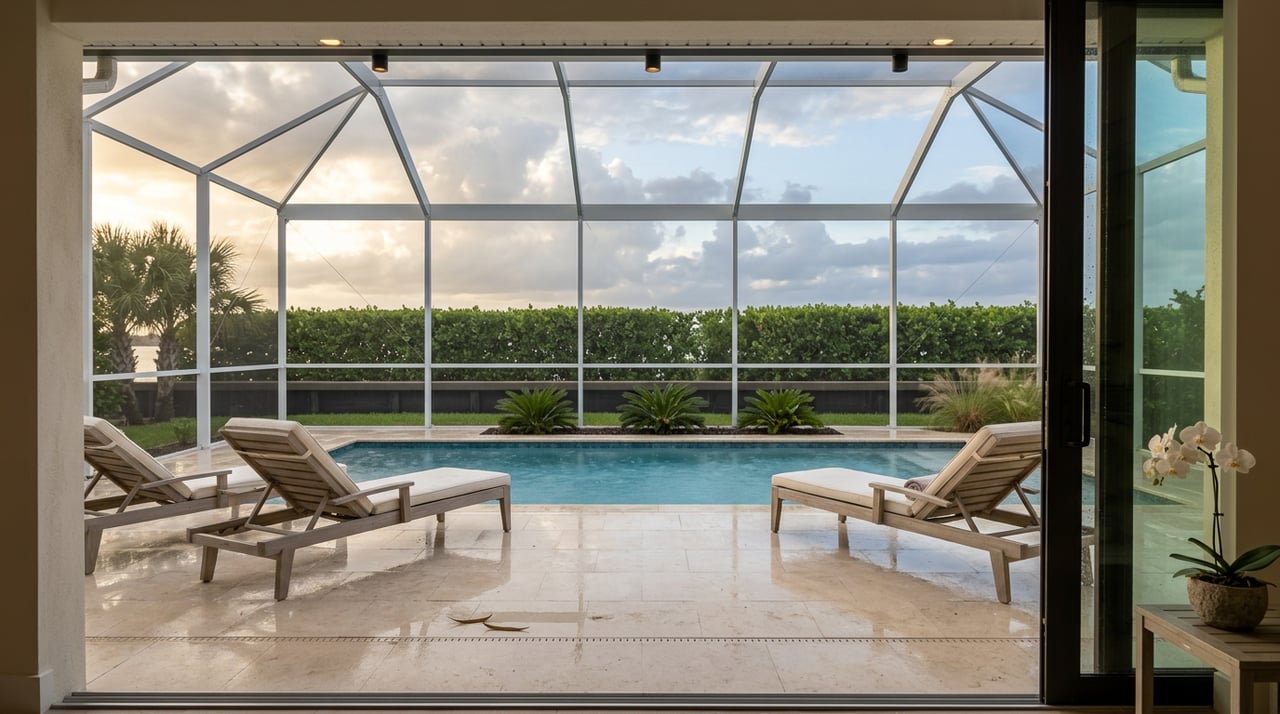
On Marco Island, outdoor space is often the biggest guest differentiator. Since visitors come for the beach, boating, paddling, fishing, and warm weather, a strong lanai or pool area can shape the entire stay.
If your property has a lanai, pool, or spa, treat that area like a primary living space rather than an afterthought. Comfortable seating, shaded dining, ceiling fans, and durable outdoor furnishings usually add more value than decorative pieces that are difficult to clean or replace.
A grill, outdoor dining zone, and rinse station or outdoor shower are especially practical. These features support the way guests actually spend their time and help keep sand and moisture from spreading through the house.
Outdoor features guests remember
- Shaded dining space
- Comfortable lanai seating
- Ceiling fans in covered outdoor areas
- Pool or spa amenities, if available
- Grill station
- Outdoor shower or rinse station
- Labeled storage for beach gear
- Nonbreakable drinkware for outdoor use
Small details can make a big difference when they reduce friction and improve convenience.
Build Around Beach Rules and Local Expectations
The best guest-friendly design on Marco Island is not just attractive. It also respects local rules and conditions.
The city’s beach guidance notes that sea turtle nesting season runs from May 1 through October 31, beaches should remain dark at night, no live shelling is allowed, and glass containers are not allowed on the beach, according to Paradise Coast and the City of Marco Island beach tips. Those details should influence how you equip and light your home.
For example, shielded exterior lighting is a smart design choice, especially during turtle nesting season when outdoor lights should be turned off or shielded by 9 PM near the beach. Stocking reusable tumblers instead of glassware for outdoor use is another simple upgrade that better fits the local beach environment.
A laminated beach-rules card or a section in your guest guide can also help visitors enjoy the area responsibly. It is a thoughtful touch that supports a smoother stay and fewer misunderstandings.
Stock the Home With Useful Guest Gear
Memorable homes usually solve problems before guests even notice them. That is why a well-planned supply closet can do more for reviews and repeat bookings than extra decor.
Practical beach gear is especially valuable on Marco Island. A beach cart, towels, cooler, reusable cups, spare phone chargers, and a sunscreen station all support the local lifestyle in ways guests appreciate right away.
Smart guest kit ideas
- Beach cart
- Cooler
- Beach towels
- Reusable cups or tumblers
- Spare charging cords
- Sunscreen station
- Clearly labeled beach-rule sheet
- Organized storage bin for outdoor essentials
This kind of setup feels intentional and well-managed. It also reflects the hands-on ownership style many second-home owners and investors want.
Plan Renovations With Local Requirements in Mind
If you are upgrading a Marco Island home for guest use, design should always be paired with sound planning. That includes understanding permits, codes, and the realities of building in a coastal environment.
The city’s building resources state that Marco Island uses the Florida Building Code 8th Edition (2023), the 2023 National Electrical Code, and the Florida Fire Prevention Code, with the building division reviewing and inspecting permitted work through its building code and permitting resources. If your project involves structural work, electrical updates, or major exterior improvements, working with licensed professionals familiar with the local process can help you avoid delays.
Weather should also factor into your timeline. The city’s property maintenance rules highlight the need to secure job sites and materials before storms, which is an important reminder during renovation planning in Southwest Florida. If your property includes lower-level areas or storage spaces, it is also wise to confirm flood zone and elevation details before making major design decisions.
Understand Rental Rules Before You Invest More
Design improvements should support your ownership goals, whether you plan to use the property seasonally, rent it short term, or both. Marco Island states that it currently does not have a city vacation-rental registration process and does not restrict the duration or frequency of vacation-rental stays in single-family homes, though condo and HOA rules may be more restrictive, according to the city owner information page.
The same city guidance notes that owners should still follow applicable rules for noise, parking, landscaping, and similar site issues. It also directs owners to register with DBPR, the Florida Department of Revenue, and the county tax collector. For tax context, Florida Department of Revenue materials cited in the research show transient rentals of six months or less are subject to 6% state sales tax, Collier County’s discretionary sales surtax is 0.00%, and the Collier County tourist tax return calculates tourist tax at 5% of taxable receipts.
If you are buying, renovating, or repositioning a property with rental performance in mind, this kind of operational clarity matters just as much as the design itself.
The Most Memorable Homes Feel Effortless
At the high end of the market, guests remember homes that feel easy to enjoy. They notice when the layout works, when the outdoor spaces are comfortable, when the materials hold up, and when the home quietly supports a full day of beach and water activity.
That is what great design looks like on Marco Island. It is elevated, but it is also resilient. It reflects the setting, respects local conditions, and gives guests a polished experience without adding maintenance headaches for you.
If you are preparing to buy, improve, sell, or position a Marco Island property for seasonal use or vacation rental performance, Sebastian Bokemeier can help you evaluate the design, ownership, and property-management choices that support stronger long-term results.
FAQs
What design features matter most in a Marco Island vacation home?
- The most important features are easy-clean flooring, open living space, enough seating, shaded outdoor areas, durable furniture, strong Wi-Fi, laundry access, and practical storage for beach gear.
What outdoor upgrades help a Marco Island home stand out to guests?
- A lanai with comfortable seating, shaded dining, ceiling fans, a grill, a pool or spa if available, and an outdoor shower or rinse station are some of the most useful upgrades.
What local beach rules should a Marco Island homeowner consider when designing for guests?
- Key considerations include keeping beach-adjacent areas dark during sea turtle nesting season, avoiding glass containers for beach use, and sharing clear guidance that no live shelling is allowed.
What should owners know about Marco Island vacation rental rules?
- Marco Island says it does not currently have a city vacation-rental registration process for single-family homes, but owners still need to follow local rules and should confirm state and tax registration requirements.
Why are durable materials important in a Marco Island home?
- Marco Island’s warm, humid, beach-oriented environment makes moisture-tolerant, stain-resistant, and easy-clean materials a better fit for both guest comfort and long-term maintenance.