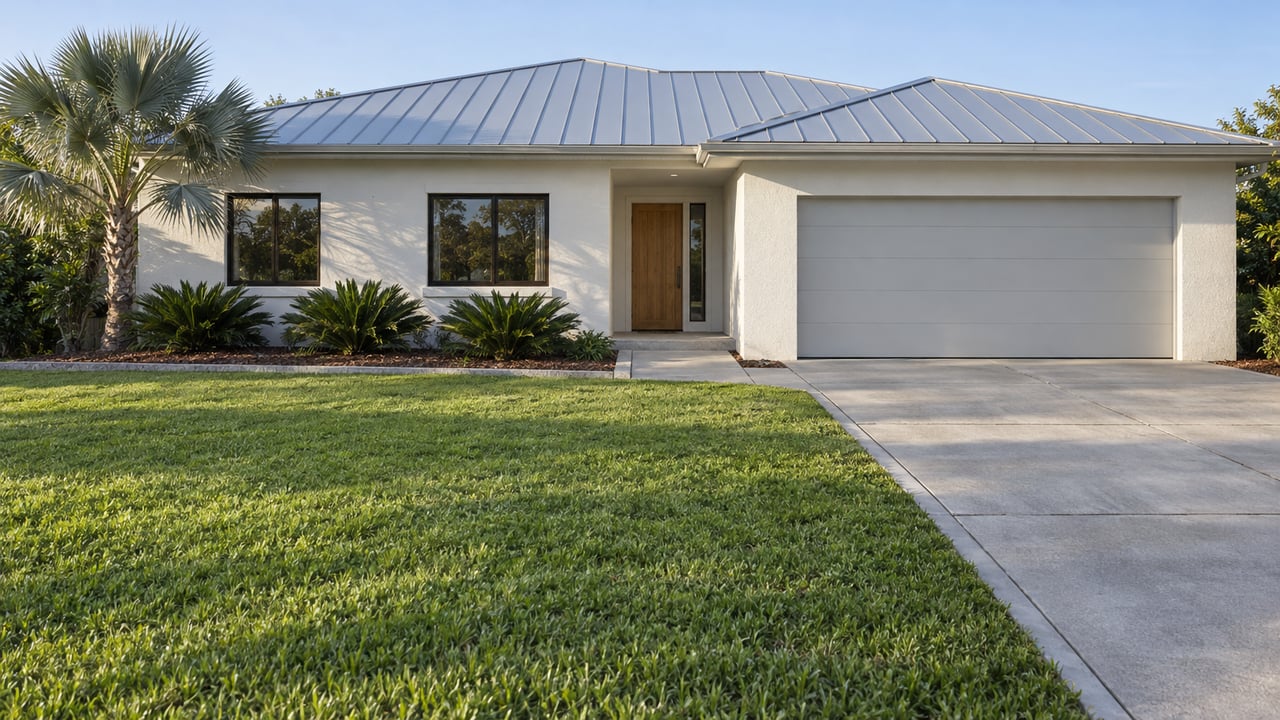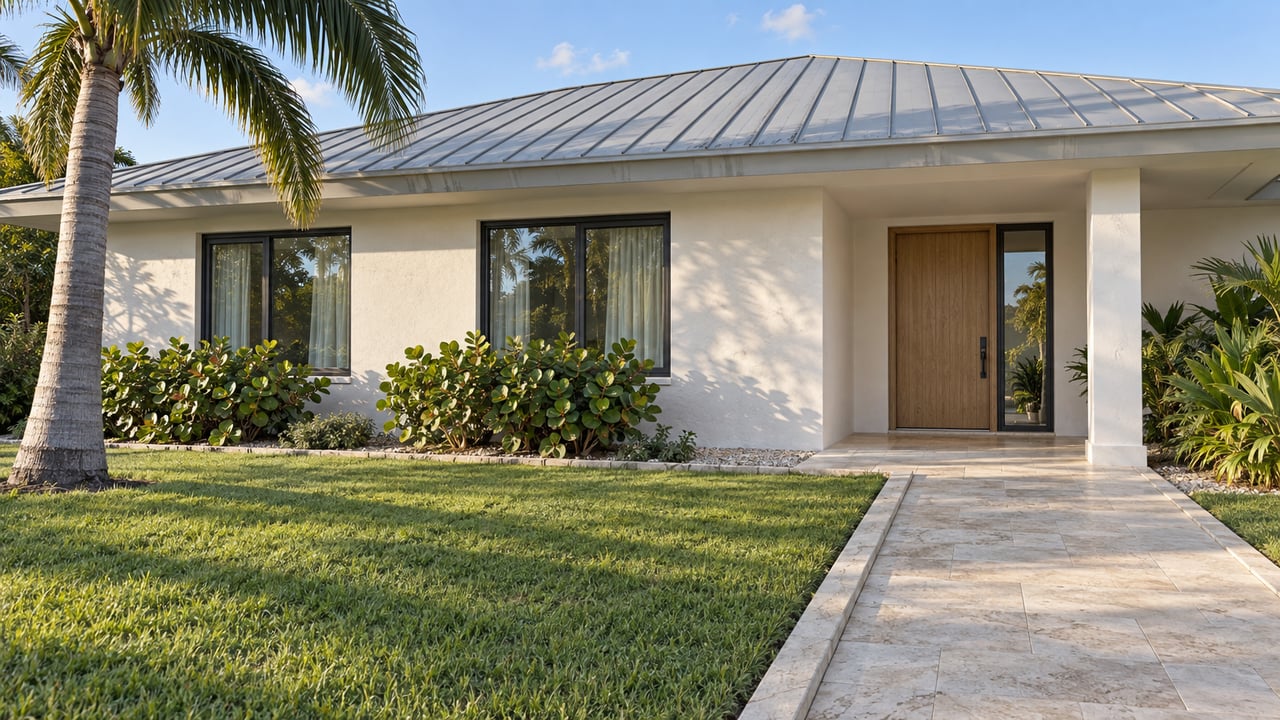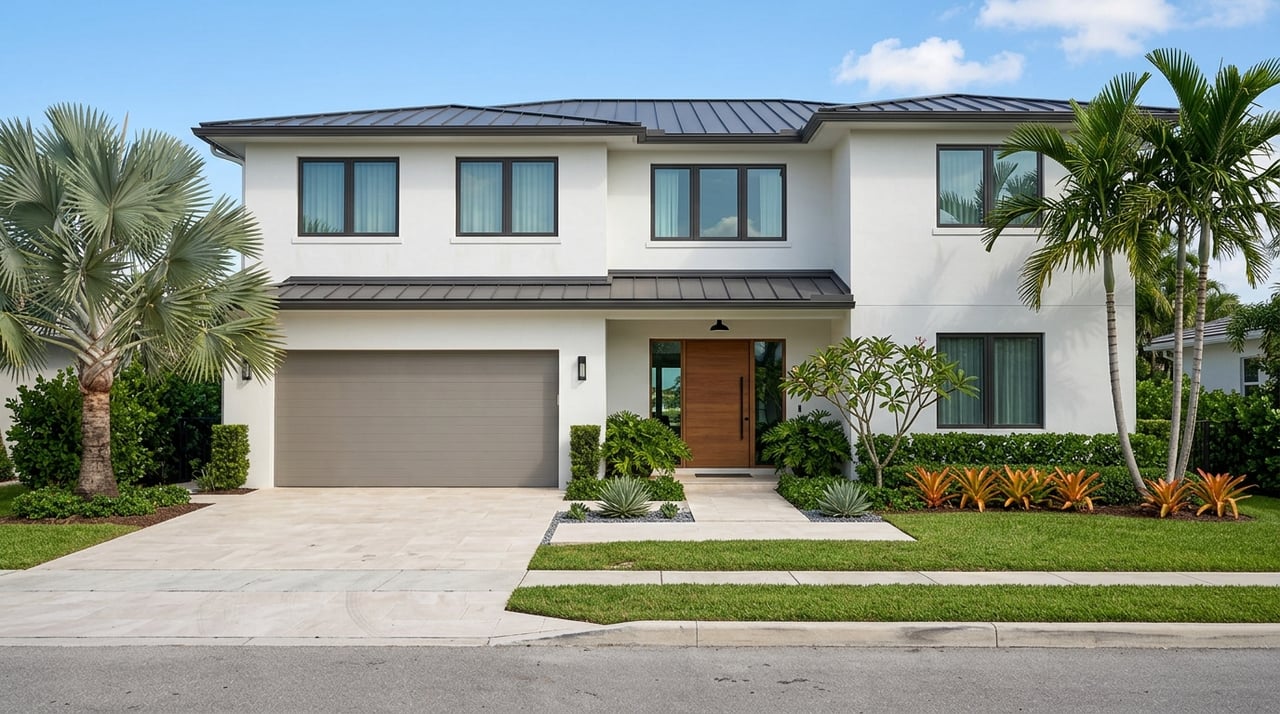
If you have ever wondered why so many people return to Fort Myers year after year, the answer is simple: the seasons shape an easy, outdoor lifestyle that feels both relaxed and practical. You want sunshine, flexibility, and a routine that fits a second home or seasonal stay without feeling complicated. In Fort Myers, locals and seasonal residents build their year around weather, water, and smart preparation. Let’s dive in.
Fort Myers follows a clear seasonal rhythm
Fort Myers is not a place where every month feels the same. According to Fort Myers climate normals from the National Weather Service, winter and spring are milder and drier, while summer is hotter and much wetter.
That pattern matters if you are planning a seasonal lifestyle. January averages about 75.0°F for the high and 54.3°F for the low, with just 2.43 inches of rain. By contrast, July and August average highs above 91°F, lows in the mid-70s, and roughly 9.38 to 10.43 inches of rainfall.
For most people, that means late fall through spring is the sweet spot for daily outdoor living. November through April is when many locals and seasonal residents settle into longer walks, boating days, patio lunches, and time outside without planning around frequent heavy rain.
Why winter is peak seasonal living
Fort Myers has long been known as a winter retreat. Visit Fort Myers notes that snowbirds have spent winters here for generations, drawn by sunshine and an easygoing coastal routine.
That reputation is backed up by visitor behavior. In the Jan-Mar 2025 Visitor Tracking Report, warm weather, a peaceful atmosphere, and safety were the strongest reasons people chose to visit. The same report also found that some visitors came specifically as part-time residents or to check on their property.
In real life, winter living here is often less about filling every hour and more about enjoying a calmer rhythm. You might spend the morning outside, keep afternoons flexible, and make the most of evenings when the weather still invites you to stay outdoors.
What locals do from November to April
The local routine is built around the fact that the weather is more comfortable for being outside. That opens the door to habits that feel simple, repeatable, and very Fort Myers.
Start with outdoor time
Fort Myers leans into sunshine, parks, preserves, and low-pressure outdoor experiences. Visit Fort Myers highlights birding, nature-focused outings, and outdoor dining as part of the area's winter rhythm.
For you, that can mean a morning walk, coffee outdoors, or a drive to spend part of the day near the water. The key is that the season makes everyday routines feel easier.
Keep the calendar flexible
One thing locals do well is avoid overcomplicating the season. Instead of treating every day like a vacation itinerary, many people build a rhythm around a few favorite activities they can return to again and again.
That is part of what makes Fort Myers appealing for seasonal living. You do not need a packed schedule to enjoy it. The weather does a lot of the work.
Enjoy seasonal food and nature
Seasonal living here is not only about the beach. Visit Fort Myers' spring guide points to spring bird migration and notes that stone crab season runs from October 15 through May 15.
That gives the season a local texture. A Fort Myers winter or spring often includes fresh seafood, time on the water, and nature experiences that change as the months move along.
Boating is part of daily life
If you spend enough time in Fort Myers, you notice quickly that boating is not just a hobby here. It is part of how many people enjoy the area and structure their free time.
Lee County reports that there were 51,262 registered vessels in the county in 2023. The county also notes that many visitors and seasonal residents bring in boats registered elsewhere for part of the year.
That tells you something important about local life. Water access is not a niche interest. It is woven into the seasonal routine for a large number of owners and visitors.
Popular ways to get on the water
Visit Fort Myers describes a wide range of boating experiences, including:
- Gulf charters
- Eco-tours
- Private fishing trips
- Sunset cruises
- Dock-and-dine outings
- Tiki and themed boat experiences
Fishing is also described as a year-round activity, which adds even more flexibility if you want a routine you can revisit in different seasons.
Paddling has a built-in path
If you prefer a quieter way to be on the water, the Great Calusa Blueway offers a 190-mile paddling trail through Pine Island Sound, Estero Bay, and the Caloosahatchee River.
For seasonal residents, that creates an easy habit. You do not have to invent your own route from scratch. The region already offers a structured way to build kayaking or paddleboarding into your routine.
Golf fits the Fort Myers lifestyle
Golf is another major part of seasonal life because it combines outdoor time, social time, and a flexible half-day schedule. Visit Fort Myers notes that public golf courses in and around Fort Myers are open to everyone without a membership fee.
That accessibility matters if you are spending only part of the year here. You can enjoy the game without needing a highly structured private-club routine.
The area also treats golf as more than just a round. Visit Fort Myers' look at the 19th hole highlights how local courses often pair golf with bars, grills, brunch, and nearby nightlife.
That is very much how locals do it. A golf day in Fort Myers can feel social and relaxed, not rushed.
Summer requires a different approach
Seasonal living in Fort Myers works best when you respect the local calendar. The same weather that makes winter and spring so attractive also means summer asks more of you.
The National Weather Service data shows that June through September is significantly hotter and wetter than the rest of the year. That often shifts daily plans toward early mornings, indoor breaks, and more attention to home systems like air conditioning and humidity control.
This is also when storm awareness becomes essential. Ready.gov and Lee County both identify June 1 through November 30 as hurricane season.
How locals prepare for hurricane season
If you own a home in Fort Myers, especially a second home, storm planning is part of the lifestyle. The goal is not to overreact. It is to create a system that feels manageable and repeatable every year.
Lee County's All Hazards Guide recommends preparing early, making a simple family emergency plan, building a disaster supply kit, planning for evacuation, and knowing your evacuation zone.
Ready.gov's planning guidance also encourages you to have a clear plan for alerts, shelter, evacuation, and communication before hurricane season begins.
A practical storm-readiness checklist
For many seasonal owners, a workable setup includes:
- Knowing your evacuation zone
- Creating a simple emergency communication plan
- Signing up for local emergency alerts
- Keeping a supply kit updated
- Reviewing your property before storm season starts
- Having a local plan for storm checks when you are away
Lee County encourages residents to use AlertLee for phone, text, and email notifications. The county also points residents to the LeePrepares app for evacuation notices, shelter locations, local weather, and preparedness information.
Boat owners need a separate plan
If your seasonal routine includes boating, your storm planning should include the boat too. Lee County advises that each owner should have a plan based on the type of vessel and local conditions, should not stay aboard during severe weather, and should be prepared to secure or remove the vessel as needed. You can review that guidance in the county's boat preparedness resources.
This is another example of how locals do seasonal living well. They enjoy the water fully, but they also prepare early so decisions do not become last-minute.
What makes a second home feel easy
The best seasonal setups usually feel almost invisible. You arrive, settle in quickly, enjoy your routine, and leave knowing the property has a plan during the months you are away.
Based on Fort Myers' weather pattern, a smooth second-home experience often depends on a few basics: reliable HVAC, humidity control, remote alerts, and a trusted local contact who can keep an eye on the home when you are not in town. Those details may not be glamorous, but they can make a major difference in how effortless ownership feels.
That is especially true in a market where many buyers want a home that supports boating, seasonal use, or part-time occupancy without adding unnecessary stress. The more your home and support system match the local climate, the easier seasonal living becomes.
Seasonal living is really about rhythm
What locals understand is that Fort Myers is at its best when you live with the seasons instead of fighting them. Winter and spring invite you outdoors. Summer asks you to slow down, stay weather-aware, and keep your systems in order.
When you approach Fort Myers that way, the lifestyle feels natural. You can build your days around sunshine, water, golf, dining, and simple routines that are easy to return to year after year.
If you are exploring a second home, waterfront property, or an ownership strategy that supports seasonal use in Fort Myers, Sebastian Bokemeier can help you navigate the process with a tailored, hands-on approach.
FAQs
What is the best season for living in Fort Myers part-time?
- For most seasonal residents, late fall through spring offers the most comfortable weather, with milder temperatures and less rainfall than summer.
What does hurricane season in Fort Myers mean for second-home owners?
- Hurricane season runs from June 1 through November 30, so second-home owners should prepare early with alerts, an evacuation plan, supply kits, and a local property check strategy.
What activities are most common during winter in Fort Myers?
- Many locals and seasonal residents spend winter enjoying boating, fishing, golf, birding, parks, preserves, and outdoor dining.
Is boating a major part of the Fort Myers lifestyle?
- Yes. Lee County recorded more than 51,000 registered vessels in 2023, and boating is a common part of both local life and seasonal living.
How can a Fort Myers second home feel easier to manage?
- A second home often feels easier to manage when you have reliable HVAC, humidity control, remote monitoring, storm preparation plans, and trusted local support while you are away.