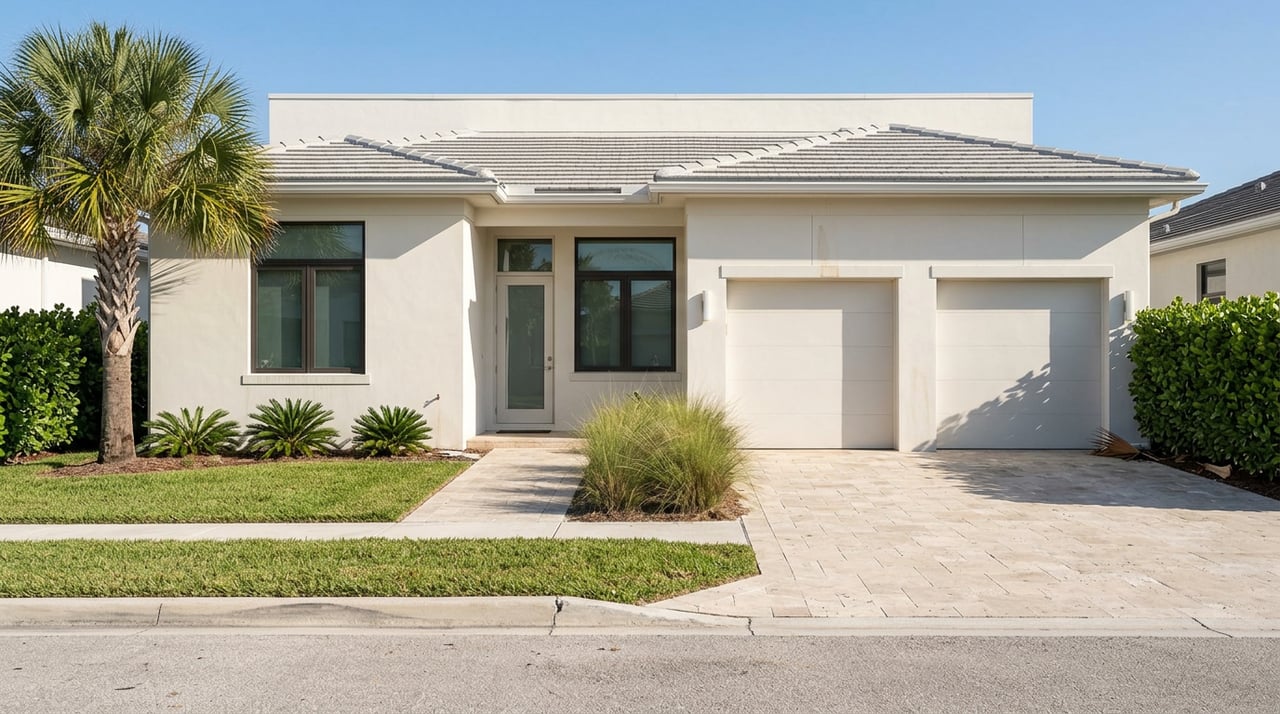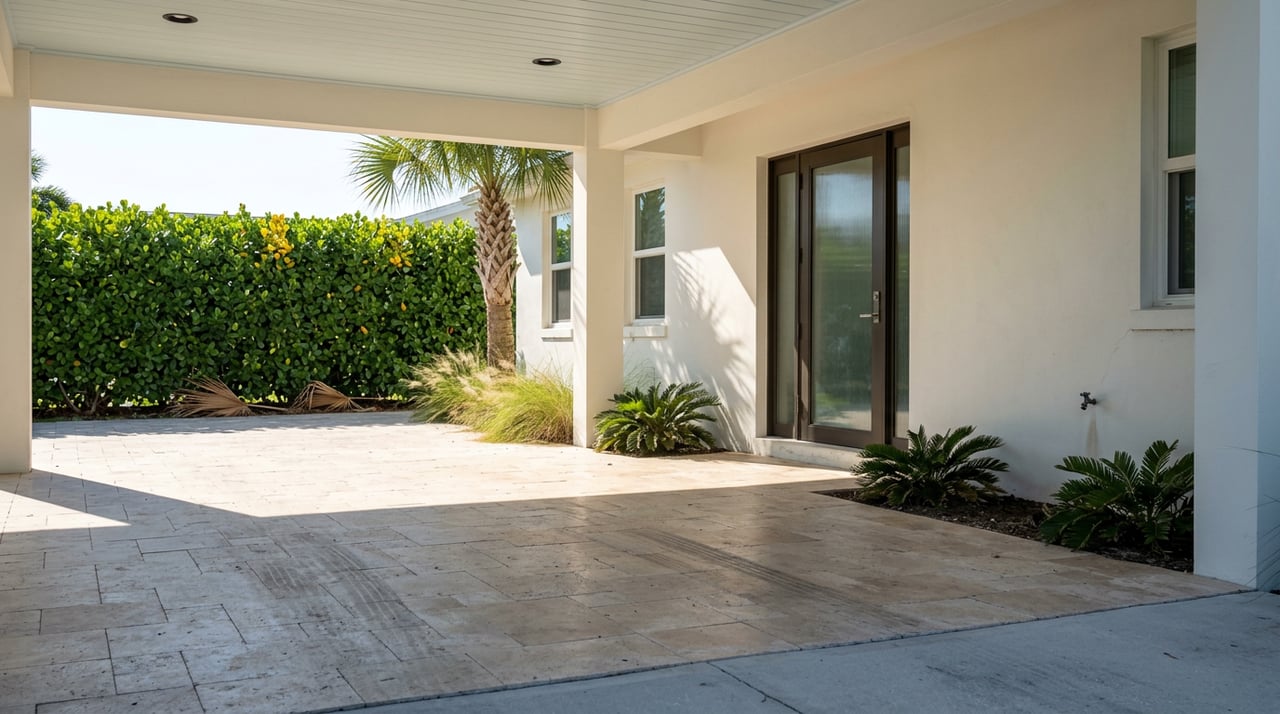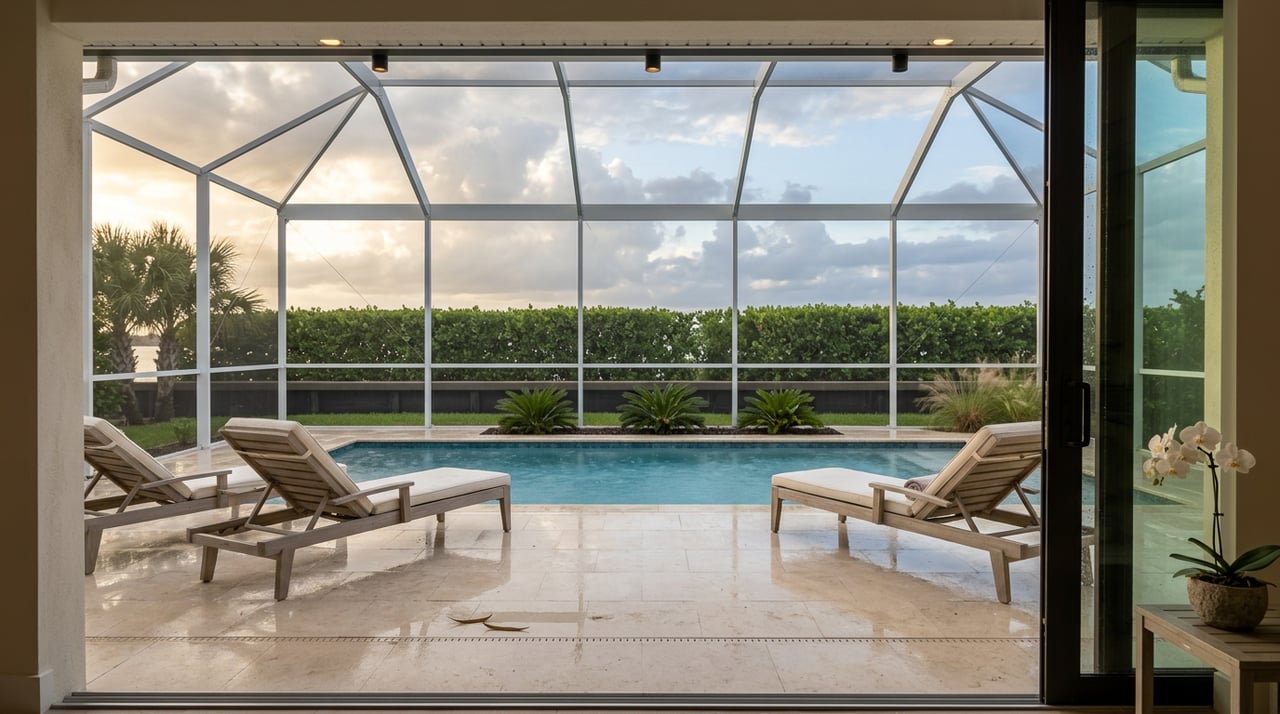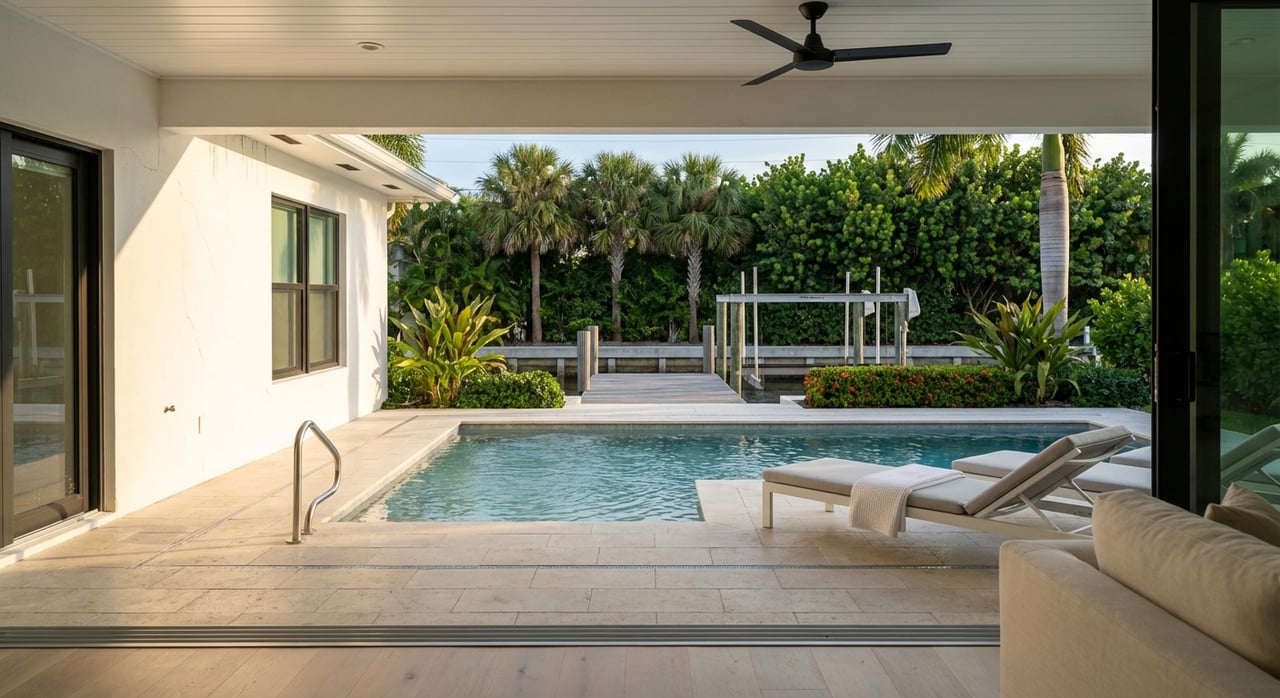
Thinking about selling your Naples waterfront home and wondering how to command a premium in today’s market? You are not alone. Luxury buyers still pay top dollar for well‑presented, well‑documented waterfront properties, but preparation and timing matter more than ever. In this guide, you will learn what to inspect, which documents to gather, how to stage for impact, and when to launch so you capture the strongest demand. Let’s dive in.
Read the market and time your launch
Naples inventory has climbed from post‑pandemic lows and many price bands now lean balanced or buyer‑friendly. Even so, the coastal luxury segment behaves as a distinct submarket with strong trophy demand and outlier sales. Reviewing current data from the Naples Area Board of REALTORS market statistics helps you set expectations for days on market and buyer behavior.
Naples has clear seasonal patterns. Peak buyer traffic typically arrives in winter, especially November through April, when seasonal residents are in town. If your timeline allows, aim to finish pre‑listing work so you can launch late fall or early winter with best‑in‑class presentation. That simple timing lever often increases showing activity and improves negotiation power.
Do waterfront due diligence early
Seawalls, docks and riparian rights
On the water, value lives at the shoreline. Buyers and appraisers scrutinize seawall condition, dock and lift functionality, water depth, and whether access to navigation is private or public. It also pays to confirm riparian rights and any limits on building out over submerged lands. The Florida Bar explains how upland ownership interacts with state‑owned submerged lands and permits in its overview of riparian rights and sovereign submerged lands.
Marine work usually involves layered approvals. In Collier County, start by confirming permit history and final inspections through the county’s marine and seawall permit requirements. Depending on scope, you may also need state authorization and, in some cases, federal review.
Timelines and planning numbers
Small repairs can be completed within weeks to a few months if permits are straightforward. Full seawall replacements or projects involving mangroves, state leases, or federal review can stretch 6 to 12 months or more. Build conservative lead time into your plan.
As a planning range, Florida seawall work is often estimated at roughly $200 to $1,200 per linear foot, with many projects landing in the mid‑hundreds per foot. Total project costs vary widely with site and access. Use this only as a budgeting guide and secure local bids. For context, see these aggregated estimates on seawall replacement costs in Florida.
Flood zones, elevation and insurance
Flood designations can change with updated maps, and that can affect insurance requirements and buyer confidence. Before listing, verify your flood zone, whether you have a current elevation certificate, and whether any Letters of Map Amendment or Revision exist. Collier County’s Floodplain Management resources are a good starting point.
Florida also now requires a specific Flood Disclosure. By statute, sellers must disclose their awareness of flood damage, flood insurance claims, or federal assistance, and deliver this disclosure at or before the contract is signed. Review the law and timing in the F.S. §689.302 flood disclosure text.
Inspections and documentation buyers expect
Pre‑listing inspection package
Voluntary pre‑listing inspections can reduce surprises and strengthen your position. Consider a general home inspection plus targeted checks for the seawall and dock by a marine or coastal engineer, as well as pest, pool, and roof evaluations. Having recent reports and repair receipts lets buyers underwrite the home faster and can shorten negotiations.
Keep copies of historic permits, as‑built drawings, and final inspections for shoreline structures. Package those with a dated engineer’s letter for the seawall and lift. This kind of documentation often speeds underwriting and increases buyer certainty.
Wind mitigation and 4‑point
Insurers in Florida commonly request wind‑mitigation and 4‑point inspections. Documented mitigation features can lead to meaningful premium reductions and show buyers that the home is well prepared for storms. Review the state’s guidance and the Uniform Mitigation Verification form on the Florida Office of Insurance Regulation wind‑mitigation resources.
Elevate presentation for premium offers
Staging, photography and video
Presentation is a lever you control. Industry data shows that staging and professional photography reduce time on market and can increase the quality of offers. The National Association of REALTORS summarizes these effects in its home staging report. For waterfront, include twilight exteriors, high‑resolution aerials that clearly show water orientation and access, floor plans, and a virtual walkthrough.
Drone compliance matters
Aerial imagery is a must for waterfront listings, but it is a commercial drone operation. Always confirm your provider holds a current FAA Part 107 Remote Pilot Certificate and follows airspace authorization rules. You can learn more about the framework on the FAA’s Part 107 airspace authorization page.
Fund improvements without upfront cash
If your home needs strategic upgrades to shine, consider a brokerage program that advances approved improvement costs with repayment at closing. Compass offers such a solution through Compass Concierge. Scope and terms vary by market, so review the written agreement with your agent and align the work plan to your target launch date.
Pricing and marketing for top dollar
What drives price on the water
Premium pricing comes from features that reduce risk and enhance lifestyle. Buyers pay for direct or unobstructed access to the Gulf, deeper navigable water, wider frontage, protected views, newer seawalls with documented engineering, and functional docks and lifts with clear permit history. Major systems, generators, and impact glass also matter. The legal context behind shoreline value is outlined in the Florida Bar’s discussion of riparian rights.
Smart comps and a private launch option
Waterfront comparables are limited and highly specific to depth, access, seawall condition, and view. Your pricing strategy should weigh recent on‑market and quiet off‑market activity, plus adjustments for shoreline infrastructure. Many luxury sellers start with a controlled preview to qualified buyers before a full MLS launch, then go live with polished assets and strong momentum.
For homes that benefit from privacy or a staged roll‑out, your agent can layer broker‑to‑broker outreach, discreet buyer list previews, targeted digital campaigns to likely yachting and feeder‑market profiles, and elevated collateral such as a property brochure or microsite.
A practical 6–18 month plan
12–18 months before listing
- Order a marine engineer’s seawall and dock assessment. Discuss options and permits with a trusted marine contractor and confirm Collier County requirements via the local marine permit guidance.
- If you plan major roof or mitigation upgrades, explore grant timing and eligibility through the state’s resilience initiative at My Safe Florida Home. Schedule a wind‑mitigation inspection early.
3–6 months before listing
- Complete a general home inspection, plus specialty checks for seawall and lift, roof, pool, and pests. Decide which repairs to complete before photos.
- If using an advance program, finalize scope, vendors, and repayment terms in writing. Align project completion with your target photography date.
4–8 weeks before listing
- Finish staging, deep cleaning, landscaping, pool service, and any exterior touch‑ups. Commission interior, twilight, aerials, floor plans, and a virtual tour. Confirm your drone provider’s Part 107 credentials per the FAA rules.
- Assemble your disclosure packet. Include your standard property disclosure, the Florida Flood Disclosure required by F.S. §689.302, and supporting permits and reports. For condos or HOAs, order estoppels and resale packages early.
Listing launch and negotiation window
- Consider a brief private preview phase to qualified buyers, then go live with complete assets and tight messaging. Track feedback in the first two weeks and be ready to refine pricing or visuals quickly.
Closing preparation
- Gather final permit closeouts, updated inspection certificates, and as‑built files. If you used an advance program, confirm repayment and settlement details with the closing team.
Quick seller checklist
- Seawall and dock: engineer’s report, permits, final inspections, as‑builts.
- Flood: current flood zone, elevation certificate, any LOMA/LOMR, and the state Flood Disclosure per F.S. §689.302.
- Insurance: wind‑mitigation and 4‑point reports from the Florida OIR resources.
- Systems: roof permits and invoices, HVAC service records, generator details.
- HOA or condo: resale package and estoppel, including fees and rules.
- Title and survey: title commitment, survey, and any shoreline or access easements.
Selling a Naples waterfront home at the top of the market is a project. With the right sequence, clear documentation, and a strategic launch during peak season, you can protect your leverage and attract the most qualified buyers. If you want a hands‑on plan that blends boutique service with the Compass platform, request a private consultation with Sebastian Bokemeier.
FAQs
When is the best time to list a Naples waterfront home?
- Naples shows strong buyer activity in winter months. Launching in late fall or early winter often increases showings and improves negotiation power compared with summer.
How do I verify that my dock and lift are properly permitted in Collier County?
- Start with Collier County’s marine permit resources and request historic permit files and final inspections. A marine engineer’s letter on current condition adds buyer confidence.
What is Florida’s new Flood Disclosure and when must I provide it?
- Florida requires a specific Flood Disclosure that must be delivered at or before contract execution. It asks about known flood damage, claims, and federal assistance per F.S. §689.302.
Do I need a licensed drone pilot for listing aerials?
- Yes. Commercial real estate aerials require a Part 107 certified remote pilot who follows FAA airspace rules. Always confirm credentials and insurance.
How much does a seawall replacement typically cost?
- Planning ranges often run $200 to $1,200 per linear foot, with totals varying by length and site conditions. Use this as a guide only and obtain local bids.
Which inspections help both buyers and insurers in Florida?
- A general inspection plus seawall and dock engineering, roof and pool checks, and wind‑mitigation and 4‑point reports. These reduce surprises and can support insurance discounts.
What waterfront features command the highest premiums?
- Direct Gulf or deep‑water access, wider frontage and protected views, newer seawalls, functional permitted docks and lifts, and documented hurricane hardening like impact glass.