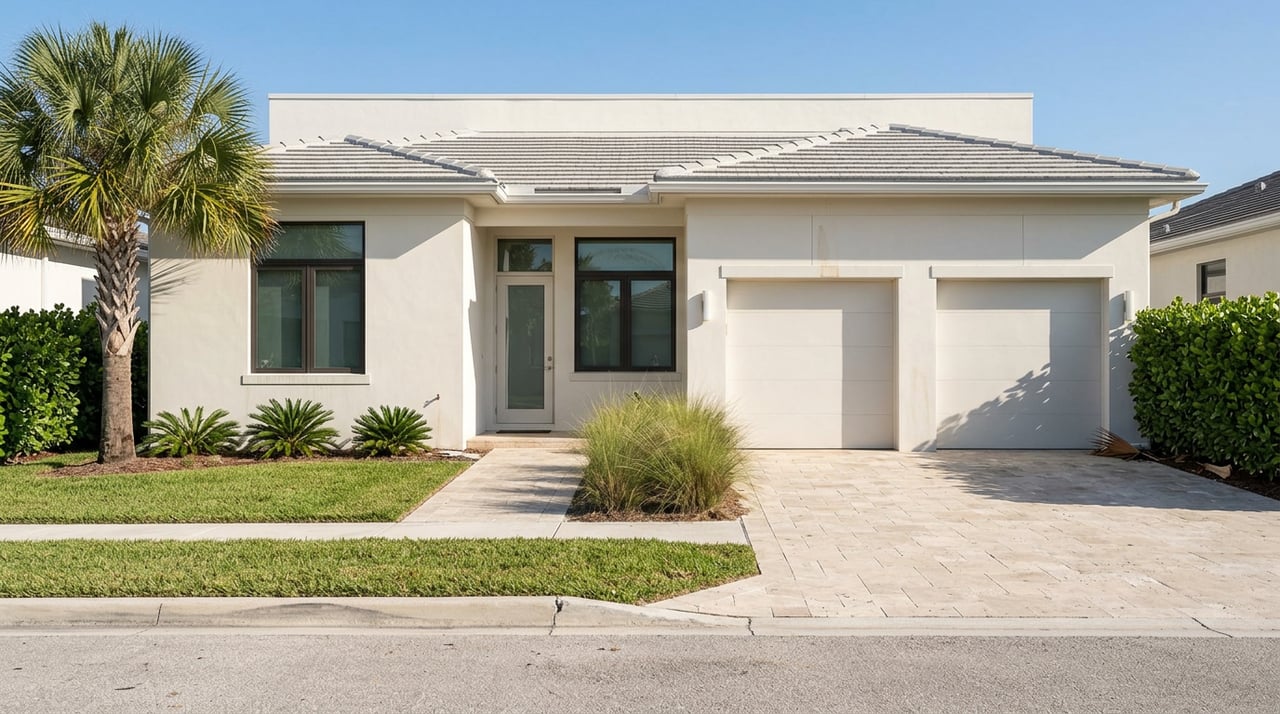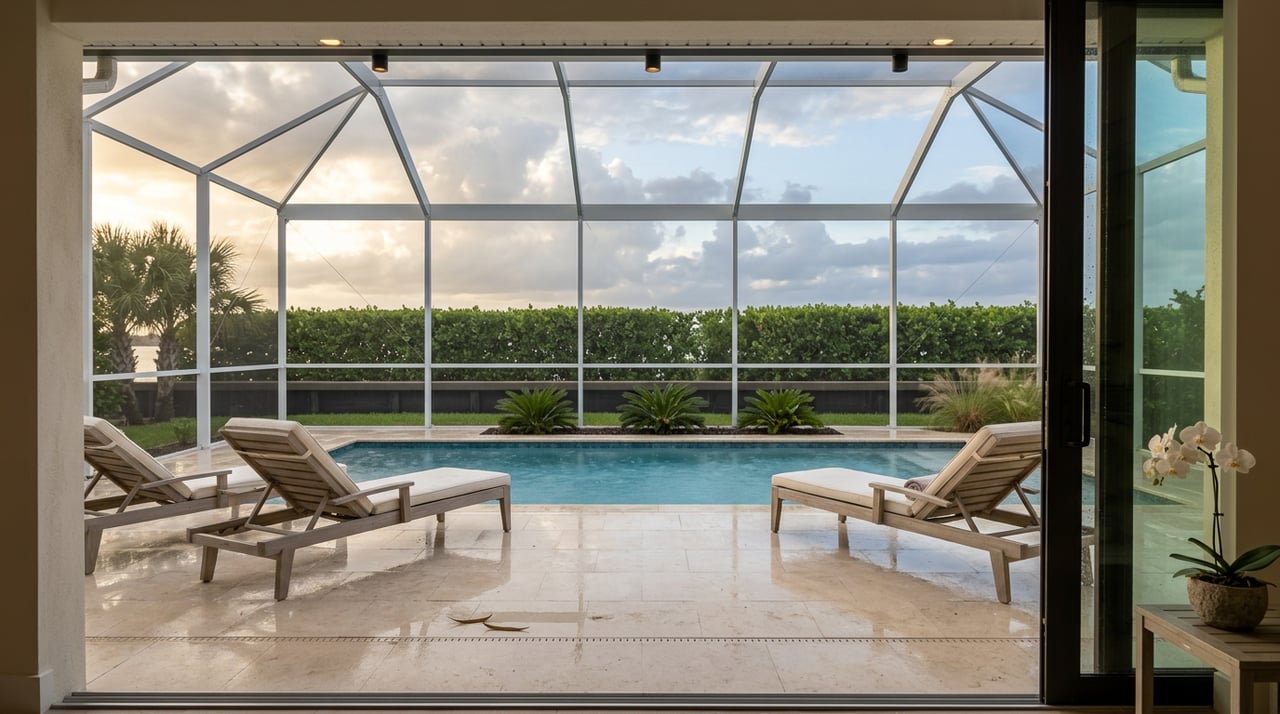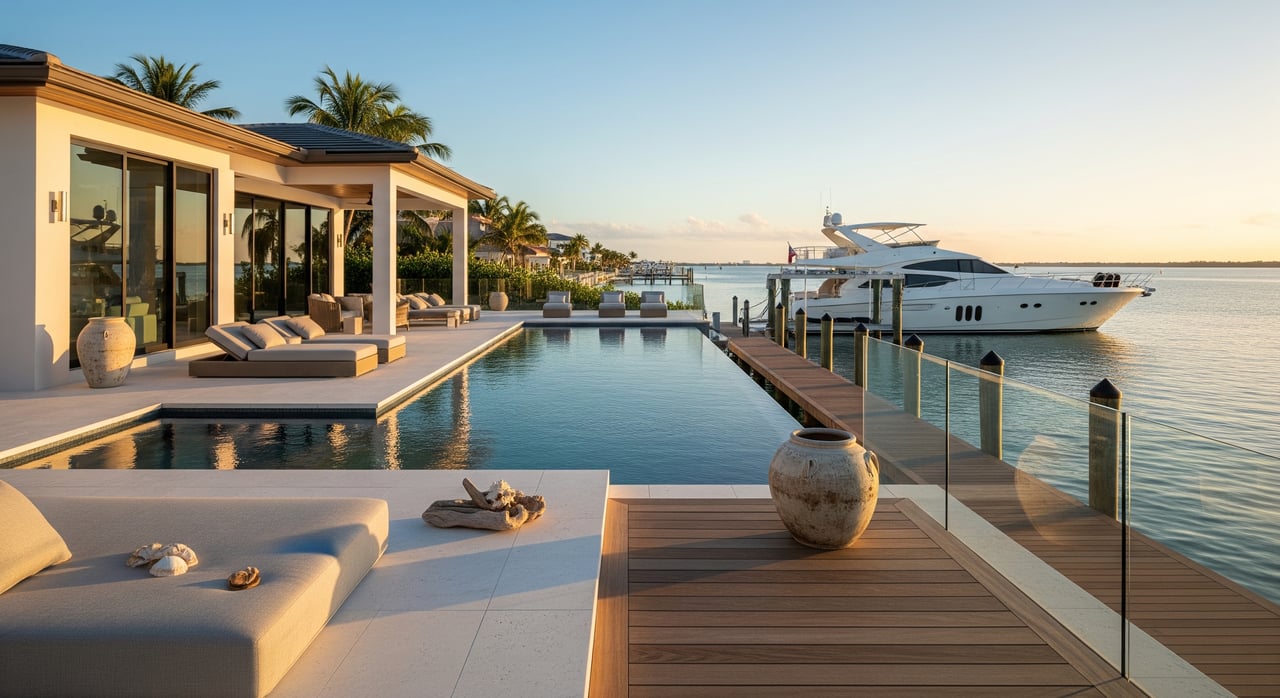
Imagine stepping onto your lanai at sunrise, coffee in hand, as the canals glow pink and a dolphin surfaces near your dock. If you’re considering a waterfront home on Marco Island, you’re likely picturing this scene and wondering about the day-to-day reality behind it. In this guide, you’ll learn how tides and seasons shape your routine, what boating and beach access look like, and the practical details that make waterfront living smooth and enjoyable. Let’s dive in.
Waterfront rhythm on Marco Island
Waterfront life here runs on light, tides, and weather. Mornings are calm and perfect for a quick paddle or fishing run, midday often means a beach stop or errands, and evenings are for sunset cruises and dockside dinners. You’ll plan around the forecast and tide tables to make the most of shallow channels and afternoon breezes.
Winter brings a busier social calendar and more visitors, which means more activity on the water and at restaurants. Summer is quieter but warmer, with typical afternoon thunderstorms that guide when you boat, swim, or rinse equipment outside. You’ll feel the island’s pace shift with the season and learn to time activities for comfort and convenience.
How seasons shape your day
High season, roughly late fall through spring, is active with events, waterfront dining, and fuller marinas. You may book dinner reservations and time supply runs earlier in the day. In summer, you’ll find fewer crowds but more heat and humidity, with quick-moving showers in the afternoon.
Sound, privacy, and neighborhood feel
Canal neighborhoods vary. Some are peaceful residential stretches with private docks, while areas near public parks or restaurant marinas feel livelier. Expect periodic boat noise, music, and dock work, especially on winter weekends and holidays.
Boating and beach life
Boating is part of the daily rhythm for many residents. A typical outing starts with pre-trip checks, a look at the forecast, and a review of tide levels for your route. For official forecasts, use the local marine forecasts from the National Weather Service. On the water, you’ll follow posted speed zones and no-wake areas, then return before dark or before low tide in shallow channels.
Launches, docks, and marinas
Many homes have private docks; others rely on community marinas or public ramps. Transient slip availability changes by facility and season, so plan ahead. For popular public access, residents use county parks including Caxambas Park for launching and Tigertail Beach for beach days.
Tides and navigation
Shallow back-bay areas can limit access at dead-low tide. You’ll build a habit of checking NOAA tide tables and following marked channels in mangrove-lined stretches. Simple steps like leaving with enough water under the keel and returning before the lowest tide keep your day stress-free.
Beaches and beyond
Living on a canal gives you quick access to boating and paddling, while Gulf-facing properties place you closer to wave action and sunset views. Shelling, swimming, and picnicking are everyday options, with conditions that change based on winds, tides, and recent weather. If you want a day of wildlife and solitude, the nearby Ten Thousand Islands National Wildlife Refuge offers paddling routes and abundant bird life.
Living with the water: home logistics
Owning on the water adds a few recurring tasks to your routine. Seawalls and docks need periodic inspections, from cleats and ropes to pilings and deck boards. Salt accelerates wear on metal and finishes, so rinsing boats, railings, and outdoor furniture becomes a weekly habit. Using marine-grade hardware helps reduce corrosion.
Insurance, flood, and elevation
Waterfront homes often have higher homeowner insurance costs and wind/hurricane deductibles. Many properties are in special flood hazard zones where flood insurance is common. Learn the elevation of the home and dock, review historic claims, and get quotes early. For official guidance, explore FEMA’s flood insurance resources.
Permits and environmental rules
Improvements near the water usually require permits. This includes dock construction, seawall repair, dredging, and mangrove trimming. Mangroves and certain coastal habitats are protected, so build in time for approvals and consult the appropriate local and state agencies before starting work.
HOA and marina policies
If your community has an HOA or shared marina, you may find rules on boat size, lift installation, dock extensions, and slip rentals. Review covenants carefully, especially if you own a larger vessel or plan to add waterfront features. Clear expectations help you avoid delays and extra costs.
Getting around and daily services
Marco Island connects to the mainland by bridges, so your commute to Naples or other regional stops depends on traffic and season. You’ll find clinics and medical offices on the island, with major hospitals and specialty care on the mainland. Everyday errands are easy on-island, while some larger retail trips might take you to nearby towns.
Hurricane season and readiness
Hurricane season runs June through November, with a peak in late summer and early fall. Waterfront residents prepare evacuation plans, secure boats, and protect outdoor areas as a normal part of seasonal living. For local alerts, evacuation zones, and preparedness steps, rely on Collier County Emergency Management.
Boat and dock prep
When a storm approaches, you’ll add lines and chafe guards, remove canvas and loose décor, and secure lifts per manufacturer guidance. You may move a boat to a safer location or dry storage if recommended. Establish a pre-storm checklist so you can act quickly and safely.
Wildlife and responsible recreation
It’s common to see dolphins, manatees, and wading birds in canals and along mangroves. Keep respectful distances, obey no-wake zones, and avoid disturbing habitats. For official boating laws and safety information, use the Florida Fish and Wildlife Conservation Commission boating regulations. If you plan a wildlife-focused outing, the Ten Thousand Islands National Wildlife Refuge provides visitor guidance and access tips.
Cost and time checklist
Use this quick list to plan your routine and budget:
- Weekly: Rinse salt from railings, outdoor kitchens, cushions, and gear. Check dock lines and lift operation. Review tide tables before boating.
- Monthly: Inspect dock boards, cleats, and ladders. Test bilge pumps and lights. Schedule a small maintenance task, like replacing corroded hardware.
- Quarterly: Review insurance documents and contact your agent with any dock or elevation changes. Walk the seawall at low tide to spot early signs of wear.
- Seasonally: Service engines and generators. Prepare a hurricane plan, including evacuation routes and storage options. Refresh your emergency kit.
Community, dining, and events
Waterfront social life often centers on marinas, boat clubs, and dockside gatherings. You’ll find casual seafood spots and waterfront restaurants that are especially popular during winter and holidays. For seasonal calendars and local business listings, check the Marco Island Chamber of Commerce. When crowds peak, reservations and earlier dining times make nights out easy.
Smart resources to bookmark
- Marine forecasts: National Weather Service Marine
- Tides: NOAA Tides & Currents
- Parks and beach access: Tigertail Beach and Caxambas Park
- Boating rules: Florida Fish and Wildlife Conservation Commission
- Wildlife trips: Ten Thousand Islands National Wildlife Refuge
- Flood insurance: FEMA Flood Insurance
- Hurricane prep: Collier County Emergency Management
Is Marco Island waterfront right for you?
If you want daily access to boating, shelling, and sunsets, waterfront living on Marco Island delivers. You’ll also take on a few added responsibilities, like monitoring tides, maintaining a dock, and planning around seasonal weather. With the right preparation and local guidance, you can enjoy a smooth, rewarding lifestyle by the water.
When you’re ready to explore neighborhoods, compare boating access, or plan a purchase or sale, connect with Sebastian Bokemeier for a private consultation. You’ll get hands-on representation for luxury waterfront homes, plus support for property management and vacation rentals when you need a turnkey plan.
FAQs
What is waterfront daily life like on Marco Island?
- Expect mornings on calm water, mid-days at the beach or running errands, and sunset cruises, with routines planned around weather, tides, and seasonal crowds.
How do tides affect boat access on Marco Island canals?
- Shallow back-bay areas can limit access at low tide, so you’ll routinely check NOAA tide tables and time departures and returns for safe depth.
Do you need flood insurance for Marco Island waterfront homes?
- Many waterfront properties fall within special flood hazard zones; review your elevation and zone, then consult FEMA flood insurance guidance.
What should boaters do during hurricane season on Marco Island?
- Follow local guidance, secure boats and docks, and prepare evacuation plans with help from Collier County Emergency Management.
Where can you find official boating rules for Marco Island waters?
- Review speed zones, safety rules, and age-based requirements at the Florida Fish and Wildlife Conservation Commission.
What wildlife will you see near Marco Island canals and mangroves?
- You’ll often spot dolphins, manatees, and wading birds; maintain respectful distances and avoid disturbing habitats, especially in shallow mangrove areas.
How busy are beaches and marinas during Marco Island’s winter season?
- Winter typically brings more residents and visitors, which means fuller marinas, busier restaurants, and more events; reservations are common during peak periods.