Buying a home in Naples can feel exciting and complicated at the same time, especially when you are navigating the process in a second language. If you are moving from Germany, buying a seasonal property, or adding a Florida investment home, you need more than listings. You need a clear roadmap for financing, paperwork, taxes, closing, and what happens after you own the property. This guide breaks the process into plain English, with the Florida and Collier County details that matter most. Let’s dive in.
Why Naples appeals to international buyers
Florida continues to attract a large share of international homebuyers, and that makes Naples a practical market for German-speaking clients who want lifestyle, seasonal use, or long-term ownership in Southwest Florida. For many buyers, the appeal is not just the property itself. It is also the chance to own in a market that is well known to global buyers.
If you are purchasing from abroad or relocating to the U.S., local guidance matters early. A bilingual advisor can help you understand the buying timeline, explain unfamiliar terms, and make sure key decisions do not get lost in translation.
Start with your buying plan
Before you tour homes, it helps to define how you plan to use the property. Your financing path, tax questions, flood review, and post-closing setup can all look different depending on whether the home will be your primary residence, second home, or investment property.
Think through a few basics first:
- Your target price range
- Whether you plan to finance or pay cash
- How you will use the property
- Your expected ownership timeline
- Whether you may want property management or vacation-rental support later
This first step sounds simple, but it shapes the rest of the transaction. It also helps you focus on homes that fit your goals instead of getting distracted by properties that look good online but do not match your needs.
Understand the Naples buying sequence
A helpful way to think about the process is in four stages: prepare your finances, review loan options, compare official offers, and get ready to close. That basic path gives you a strong framework whether you are a U.S. buyer or an international buyer.
In Naples, the purchase itself also includes Florida-specific details that may feel unfamiliar if you have bought property in Europe. Closing often involves a title insurance company and may also involve an escrow company. In some transactions, an attorney may be present as well, depending on the deal and local practice.
Step 1: Prepare your finances
Start by organizing your funds and documents before you shop seriously. If you plan to finance, you should be ready to discuss income, assets, identity documents, and where your funds are coming from.
If you are a German-speaking buyer without a U.S. credit file, do not assume that financing is impossible. Some lenders may consider foreign credit reports and translated documents, but requirements vary by lender and loan program. That is one reason early planning is so important.
Step 2: Tour homes with the right paperwork
A key recent change in the buying process is that buyers working with an MLS-based agent should expect a written buyer agreement before touring a home in person or through a live virtual showing. The agreement is meant to explain services and compensation clearly.
For international clients, this is an important point. Agency relationships and compensation structures may be very different from what you are used to in Germany, so it helps to review these forms carefully in a language and format you understand.
Step 3: Compare financing options
Once you have identified the right property, compare official loan offers carefully if you are financing. This is where rate, fees, and closing costs begin to matter in a very real way.
Closing costs typically range from about 2% to 5% of the purchase price, not including your down payment. The exact total depends on the property, the loan, and the location, so it is smart to budget with some room rather than aiming for the lowest possible estimate.
Step 4: Prepare for closing
In many Florida transactions, the loan closing and the home-purchase closing happen at the same time. As closing approaches, you should review documents closely and confirm all payment instructions carefully.
This stage requires special attention because homebuyers can be targeted by wire fraud scams in the final days before closing. If anything changes suddenly, especially wiring instructions, pause and verify it through trusted channels before sending funds.
Financing for German-speaking buyers
One of the biggest questions international clients ask is whether U.S. credit is required. The safest answer is that it depends on the lender and the loan type.
Some programs allow borrowers to apply without a traditional U.S. credit history by using foreign credit documentation and translations. That does not mean every lender will offer the same flexibility, but it does show why a well-prepared file and bilingual communication can make a real difference.
When you begin financing conversations, be ready for lenders to ask detailed questions about:
- Your current residency status
- Your valid U.S. address, if required by the lender
- Source of income and assets
- Foreign credit history
- Translated supporting documents
A smooth transaction often starts with realistic lender matching. Instead of assuming all banks work the same way, it is better to identify loan options that fit your cross-border profile from the start.
Offer strategy and seller concessions
Writing an offer in Naples is not just about price. You also need to understand timing, contingencies, deposits, and the total cash you will need to close.
If you are financing, seller concessions may be part of the conversation. Sellers can still offer concessions through the MLS, including contributions toward buyer closing costs. That can be helpful when you want to manage total out-of-pocket expenses without changing the structure of your financing.
The right offer strategy depends on the property, the competition, and your goals. A primary residence purchase may call for one approach, while a second home or investment purchase may call for another.
Florida taxes and fees to expect
One of the most important parts of buying in Collier County is understanding the taxes and recording charges that can affect your cash to close. These costs are separate from your down payment and should be reviewed before you reach the final stage.
For Florida real estate outside Miami-Dade County, deeds are generally subject to documentary stamp tax at 70 cents per $100 of consideration. Promissory notes and recorded mortgages are generally subject to documentary stamp tax at 35 cents per $100, and the nonrecurring intangible tax on mortgage debt is 2 mills, generally paid at recording.
Collier County also charges recording fees, including a first-page recording fee listed at $10 on the clerk’s fee schedule. Because fees can change, it is smart to confirm the current numbers as part of your closing preparation.
What happens at closing in Collier County
Closing is the point where the documents are signed, funds are delivered, and ownership is transferred. In practice, there are still a few moving parts, so it helps to know what is happening behind the scenes.
A title insurance company is usually central to the process, and an escrow company may also be involved. Depending on the transaction, an attorney may be present as well. After signing, the deed and mortgage documents are recorded through the Collier County Clerk of the Circuit Court & Comptroller.
That recording step matters because the process does not end the moment signatures are complete. Final recording is part of what makes the transfer official in the local public record.
Check flood risk before you buy
Flood review should be a standard step in Naples, especially if you are considering waterfront or low-lying property. Many buyers from outside Florida underestimate this issue because standard homeowners insurance usually does not cover flood damage.
FEMA maps identify Special Flood Hazard Areas, and homes in those areas with government-backed mortgages are required to carry flood insurance. Even when flood insurance is not required, it is still important to understand the property’s flood zone, insurance implications, and timing.
One detail many buyers miss is the waiting period. National Flood Insurance Program policies usually have a 30-day waiting period unless the coverage is required by a lender or tied to a map change. That means flood review should happen early, not at the last minute.
Homestead rules for primary residents
If you plan to make the Naples home your permanent Florida residence, homestead may become one of the most valuable topics to understand after closing. In Florida, a qualifying owner may be eligible for a homestead exemption that can reduce taxable value by as much as $50,000.
Homestead also matters because it connects to the Save Our Homes assessment limitation. In Collier County, for homesteaded properties, assessed value increases are limited to 3% or CPI, whichever is lower, after the exemption is granted.
Collier County homestead details
Collier County applies some specific local rules that buyers should know. Only one homestead exemption is allowed per family unit, and the application must be made in person.
The county asks for ownership evidence and proof of legal residence, such as a Florida driver license, vehicle registration, and voter registration dated before January 1. The filing deadline set by the Florida Department of Revenue is March 1.
When homestead may not apply
If you are buying a seasonal home or an investment property, do not assume homestead benefits will apply. Florida homestead is tied to permanent residence.
If you already claim a residency-based exemption elsewhere, that may affect your eligibility for a new homestead exemption in Collier County. This is an area where clarity matters, especially for cross-border buyers with more than one residence.
A quick note on future resale taxes
Most buyers should keep their immediate focus on the purchase, financing, and closing. Still, it is worth knowing that if a foreign owner later sells U.S. real estate as a nonresident alien, FIRPTA withholding may come into play.
This is usually a future planning issue, not a reason to delay a purchase today. The key point is simple: if your ownership structure or tax residency is international, plan ahead and get advice from licensed tax counsel well before resale.
Why bilingual guidance can make the process smoother
A Naples purchase involves more than finding the right address. You may need help understanding buyer agreements, comparing lenders, reviewing closing statements, planning for flood insurance, and deciding whether the property will be a primary residence, second home, or rental investment.
For German-speaking clients, the value of bilingual support is not just convenience. It is about reducing friction, avoiding misunderstandings, and making confident decisions at every stage.
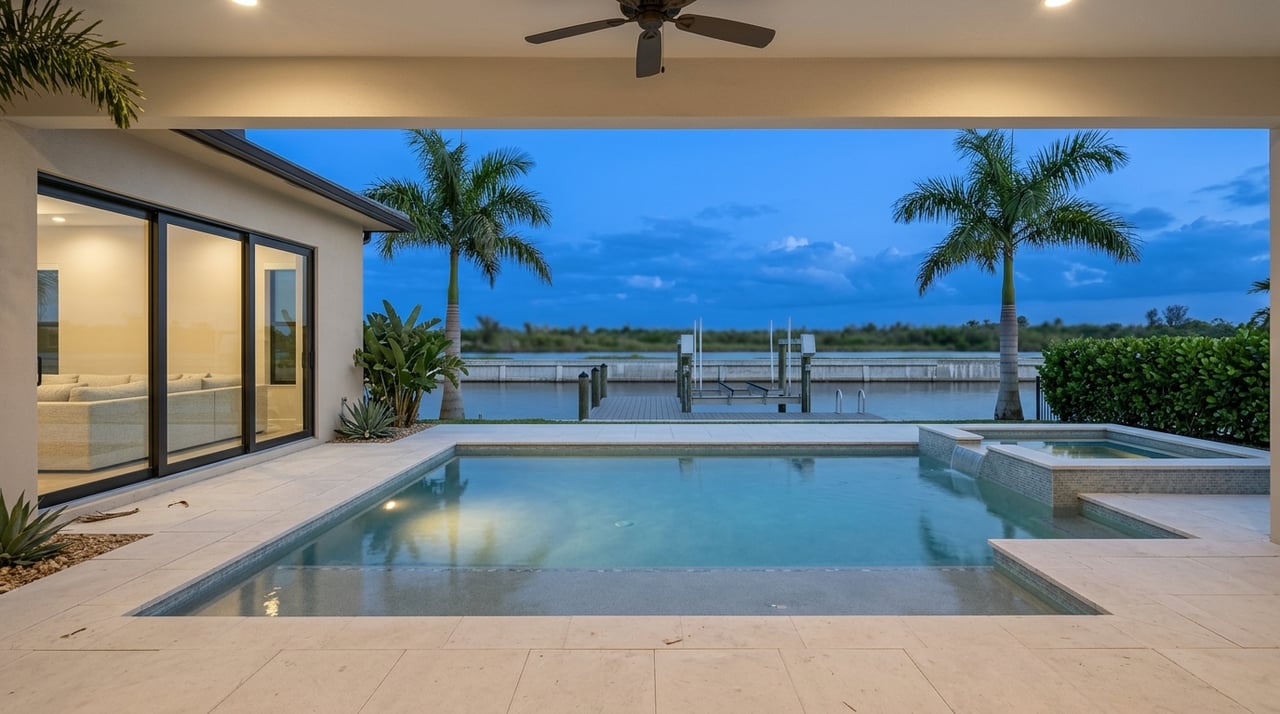
If you are looking at waterfront homes, luxury second residences, or investment property in Naples, clear communication becomes part of the strategy. That is especially true when documents, timelines, and financial questions span more than one country.
Whether you are buying your first Florida home or expanding your portfolio in Southwest Florida, the goal is the same: a process that feels informed, organized, and well managed from the first conversation through closing and ownership. If you want guidance tailored to your goals in Naples, Collier County, and the broader Southwest Florida market, Sebastian Bokemeier can help you move forward with clarity.
FAQs
Is U.S. credit required to buy a home in Naples as a German-speaking buyer?
- Not always. Some lenders may accept foreign credit reports and translated documents, but requirements depend on the lender and loan program.
Do Naples homebuyers need a written buyer agreement before touring homes?
- In many MLS-based transactions, yes. Buyers should expect a written buyer agreement before in-person or live virtual tours so services and compensation are clearly explained.
What closing costs should buyers expect in Naples, Florida?
- A common estimate is about 2% to 5% of the purchase price, excluding the down payment, although the final amount depends on the property, loan, and location.
How are deeds and mortgages taxed in Collier County, Florida?
- Florida generally charges documentary stamp tax on deeds and mortgages, and mortgage debt is also generally subject to nonrecurring intangible tax at recording.
Do Naples waterfront homes require flood insurance?
- Some do. Homes in Special Flood Hazard Areas with government-backed mortgages are required to carry flood insurance, and standard homeowners insurance usually does not cover flood damage.
Can a seasonal Naples buyer claim the Florida homestead exemption?
- Usually not. Homestead is tied to permanent Florida residence, so second-home and investment buyers should not assume they qualify.
Where are Naples deeds recorded after closing?
- Deeds and mortgage documents are recorded with the Collier County Clerk of the Circuit Court & Comptroller as part of the final closing process.