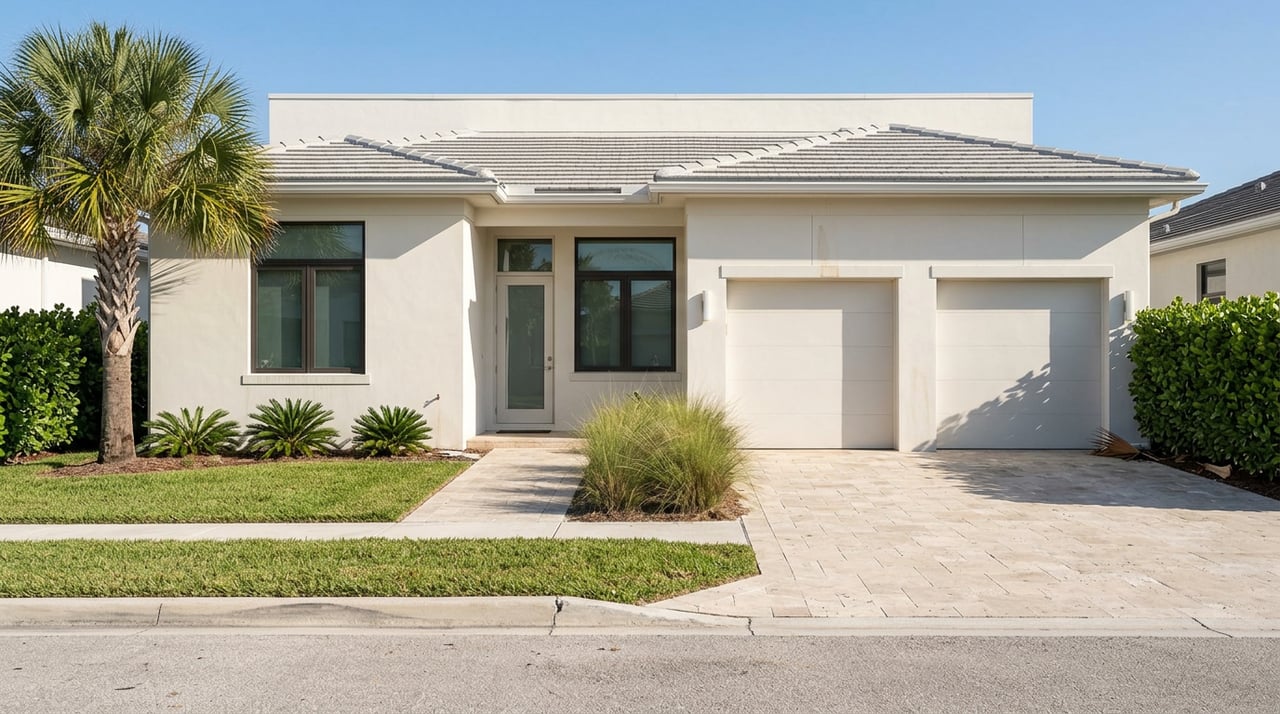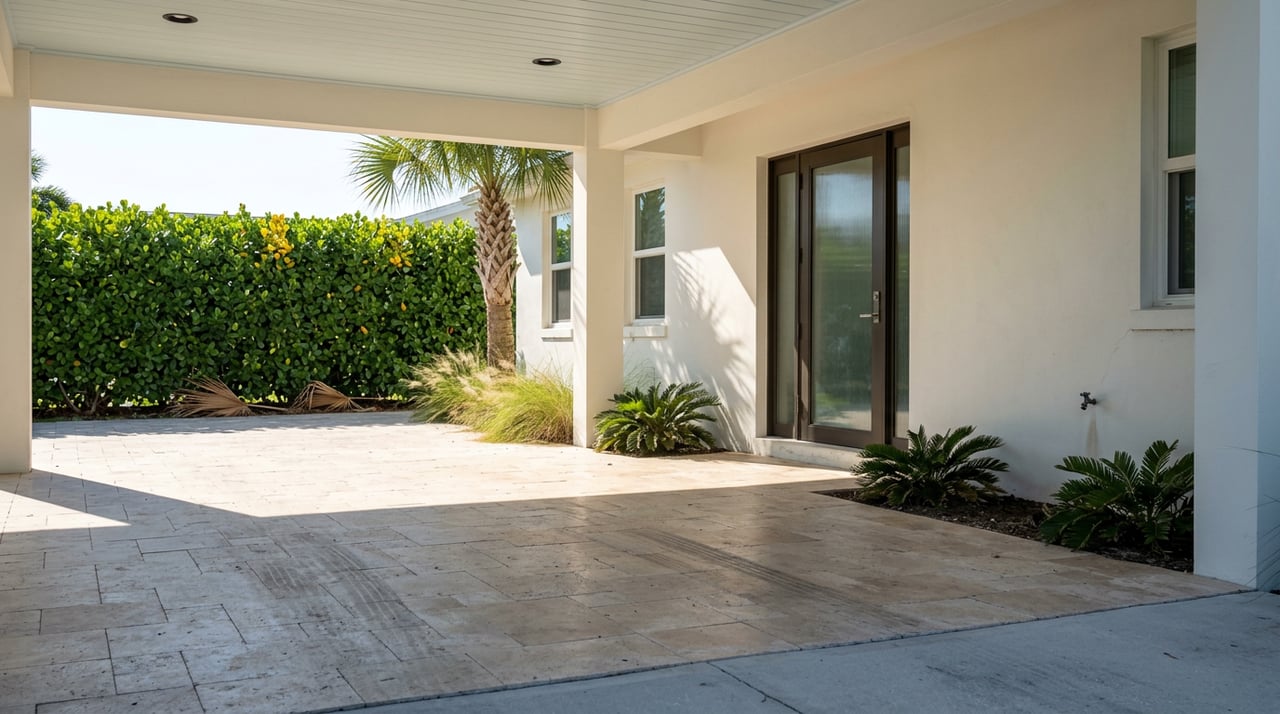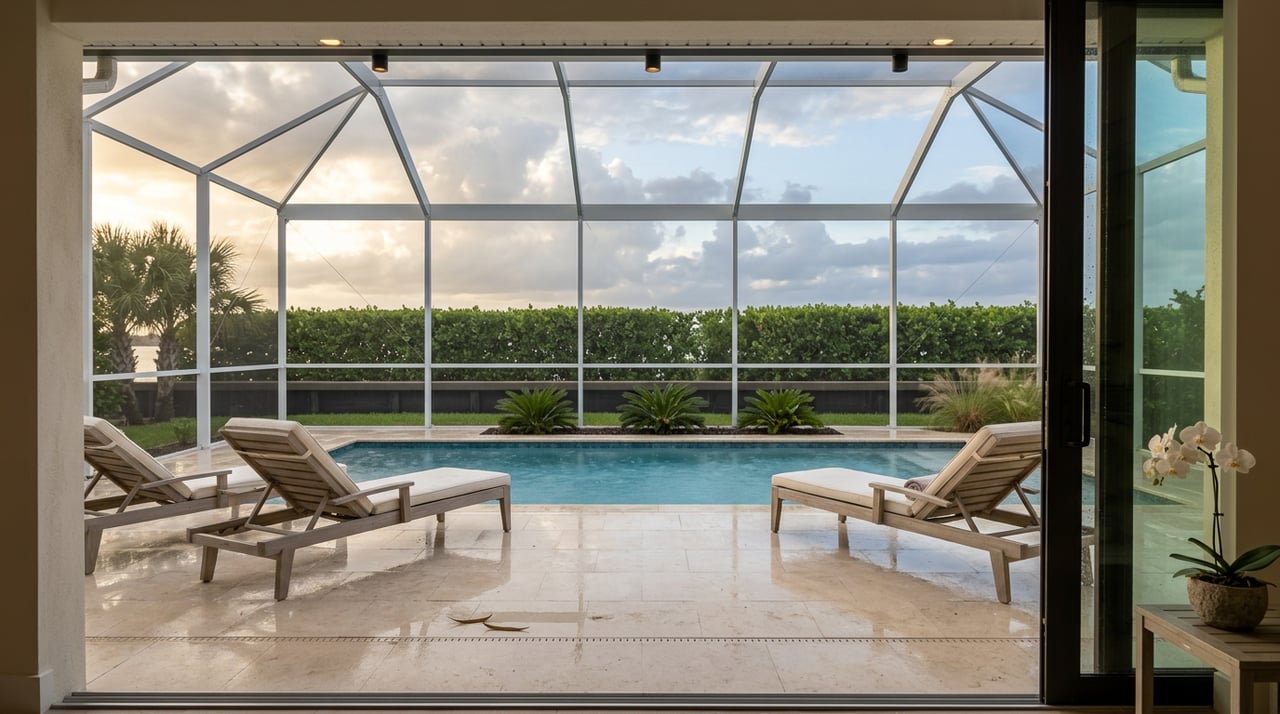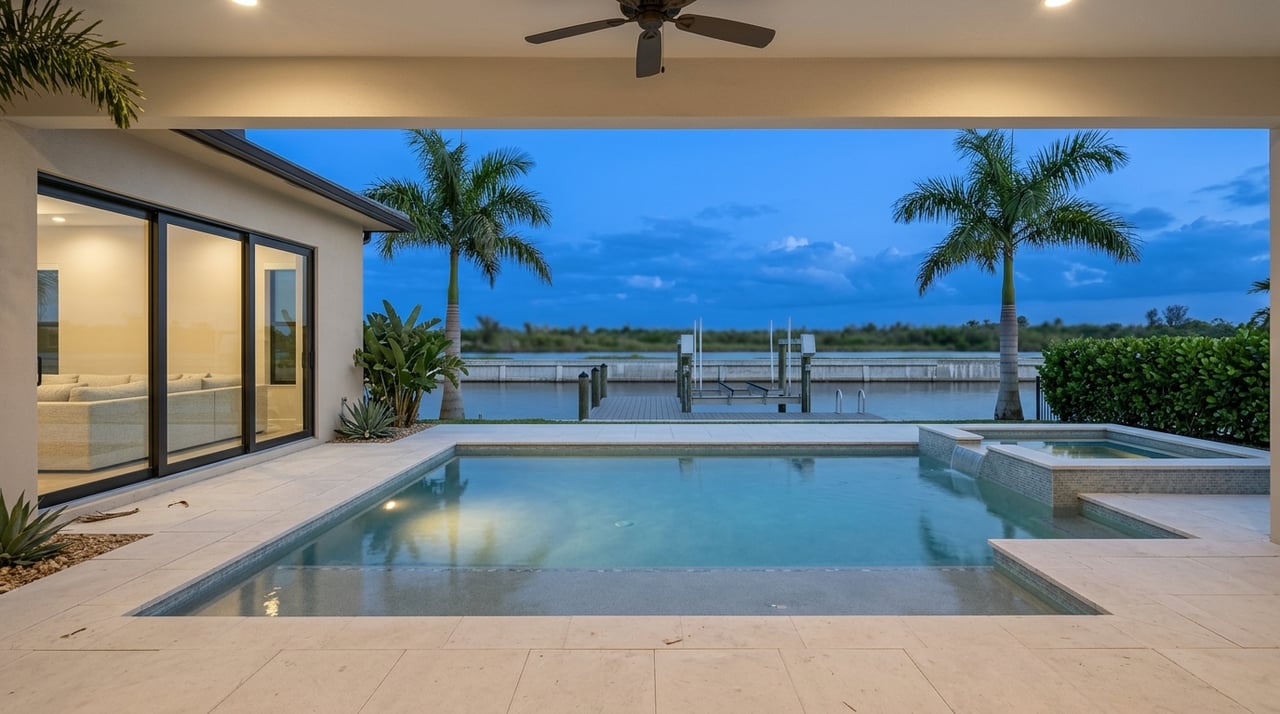
If you own or hope to buy a home in Cape Coral, your outdoor space is not just a backyard. It is often one of the most important parts of the property. With more than 400 miles of canals, warm winters, and a strong indoor-outdoor lifestyle, the way you design your lanai, pool, dock, and seating areas can shape both daily enjoyment and long-term value. The good news is that smart outdoor design in Cape Coral follows a few clear local rules. Let’s dive in.
Why outdoor design matters in Cape Coral
Cape Coral’s canal system is central to how many homes live, feel, and sell. The city describes its canal network as a major economic asset that supports recreation, flood protection, property values, irrigation, and wildlife. In practical terms, that means outdoor living is often part of the home’s core appeal, especially on waterfront lots.
The climate also makes outdoor rooms useful nearly all year. Nearby Fort Myers Page Field climate normals show average highs of 91.6°F in July and 91.7°F in August, while January stays mild with a mean temperature of 64.7°F. At the same time, summer is very wet, with rainfall reaching 9.66 inches in June, 9.38 inches in July, and 10.43 inches in August.
That combination creates a simple design challenge. Your outdoor space needs to feel open and inviting in winter, but still work well during hot, humid, rainy months. In Cape Coral, the best designs balance views, shade, drainage, and durability.
Start with the canal view
In many Cape Coral homes, the best outdoor design choice is also the simplest one: protect the sight line to the water. Local luxury listings consistently highlight long canal views, screened or covered lanais, pools or spas, outdoor kitchens, and dock access. That tells you what buyers notice first.
If you are planning a layout, think of the lanai as your main outdoor living room. The clearest visual path should usually run from the kitchen or great room straight through to the pool and canal. When that line stays open, the whole property tends to feel larger, brighter, and more connected to the waterfront setting.
Dining and conversation seating often work best under cover. This gives you shade during the hottest parts of the day and keeps the space more usable during summer rain. The sunniest zone can then stay open for pool use, lounging, or tanning.
Treat the dock as part of the design
In Cape Coral, a dock or boat lift should not feel like an afterthought. On a waterfront property, it is part of the outdoor composition just like a pool, patio, or dining area. A well-integrated dock can make the entire rear elevation feel more intentional.
That does not mean overbuilding the yard. It means aligning the dock area with the rest of the home’s flow so the walk from lanai to seawall feels natural and visually clean. If you have canal access, the transition from interior to pool deck to waterfront should feel easy and uncluttered.
Buyer research also supports the value of these features. Zillow’s 2026 feature research found that homes with docks sold for as much as 5.4% more. In a market like Cape Coral, where boating access is a major lifestyle draw, that is especially relevant.
Build shade into the plan
Cape Coral sunshine is a benefit, but too much direct heat can make an outdoor space less comfortable. Shade should be part of the first draft of the design, not a last-minute fix. This is especially important if your rear exposure gets strong afternoon sun.
The U.S. Department of Energy notes that east- and west-facing glass is harder to shade than north- and south-facing exposures. UF/IFAS also notes that west-side shade helps with the hot western sun. For many Cape Coral homes, this makes covered lanais, awnings, and thoughtful tree placement especially useful.
A practical setup often includes:
- Covered seating near the home
- Open sun space around part of the pool
- Shaded dining for midday and afternoon use
- Protection near large sliders or west-facing glass
The goal is not to eliminate sun. It is to give you options throughout the day and across seasons.
Design for rain and drainage
Cape Coral’s summer wet season should shape how you plan surfaces and circulation. Heavy rainfall in June, July, and August means outdoor spaces need to shed water well and stay usable when conditions change quickly. A beautiful patio that puddles or becomes slippery will not perform the way you want.
Covered walking paths can make a big difference, especially between the main seating area, grill zone, and pool. Good drainage planning also helps protect finishes and reduce maintenance over time. In a waterfront setting, practical details like grading, drainage, and material selection matter just as much as visual style.
This is one reason screened and covered lanais remain so popular in local listings. They support year-round use while giving some protection from rain, insects, and intense summer sun.
Choose coastal-ready materials
Outdoor materials in Cape Coral need to handle more than heat. FEMA guidance for coastal construction says materials in these environments should resist flood and wind damage, wind-driven rain, corrosion, moisture, and decay. FEMA also notes that salt spray and humidity can speed up corrosion, making corrosion-resistant connectors and fasteners especially important.
That matters whether you are refreshing a lanai or planning a full outdoor build. In general, low-maintenance, marine-aware choices are a smart fit for the local environment. These can include powder-coated or marine-grade aluminum where appropriate, corrosion-resistant hardware, composite decking, and sealed concrete or pavers.
Screened enclosures should also be specified with coastal exposure in mind. The right material choices can help an outdoor space look sharper for longer and reduce the cycle of repairs in a humid, salt-influenced climate.
Place pools and spas with intention
For many buyers and owners, the pool is the centerpiece of the outdoor space. In Cape Coral, that often means a clean visual relationship between the covered lanai, pool deck, and canal beyond. The pool should feel connected to the living areas without crowding the view.
If a spa is part of the design, it usually works best when it stays visually tied to the covered seating area but does not block the main waterfront sight line. This creates a more natural social flow and keeps the canal as a focal point.
If you are weighing features from a resale standpoint, outdoor amenities continue to perform well. Zillow found that outdoor kitchens boosted sale prices by 4.4%, and outdoor showers added 4.3%. NAR’s 2023 Outdoor Features report also found strong cost recovery for a new patio at 95%, with outdoor kitchens and overall landscape upgrades both recovering 100% of estimated cost.
Know the flood zone before you design
In Cape Coral, outdoor planning should start with flood awareness. The city’s flood-zone map explains that A, AE, and VE zones are special flood-hazard areas, and federally backed mortgages require flood insurance for structures in those zones. On waterfront property, this is not just an insurance issue. It can affect how you think about layout, elevation, and materials.
Before making major outdoor improvements, it is smart to understand the flood designation for the property and how that may influence the project. This is especially important for hardscape, pool-related work, screened structures, or any improvement that interacts with grade and drainage.
Buyers are paying attention to this too. Zillow’s 2024 survey found that 43% of buyers only considered low flood-risk areas, while many also prioritized watertight and wind-resistant features. That does not mean flood-zone properties cannot be highly desirable in Cape Coral. It means resilient, well-planned design is part of today’s value story.
Plan permits and safety early
A strong outdoor space should feel effortless when finished, but getting there usually requires early planning. Cape Coral’s Building Division enforces the Florida Building Code, floodplain ordinance, land development code, and other local standards. The city also provides online permit applications and pool-related guidance, including in-ground pool guidelines, pool safety barrier guidelines, pool barrier fence guidelines, and pool deck addition guidelines.
If your project includes a pool or spa, safety requirements are not optional design extras. Florida’s Residential Swimming Pool Safety Act in Chapter 515 includes residential pool safety feature options and barrier requirements. Building with these requirements in mind from the start can help avoid delays and redesigns.
This is one of the clearest reasons to approach outdoor upgrades as value-driven property improvements rather than cosmetic projects alone. In Cape Coral, the best results usually come from combining lifestyle goals with local code awareness.
Outdoor design and resale value
If you are thinking like an owner and an investor, outdoor improvements in Cape Coral can support both enjoyment and market appeal. Zillow’s 2024 buyer survey found that 70% of buyers said a private outdoor space was very or extremely important. That is a strong signal in any market, but especially in Southwest Florida.
In Cape Coral’s waterfront segment, buyers often expect a complete outdoor package. That can include a covered lanai, pool or spa, open water views, outdoor cooking space, and functional dock access. When these elements work together, the property tends to present as more turnkey, more lifestyle-driven, and more competitive.
For sellers, this is where thoughtful updates can make a measurable difference. Outdoor presentation is often one of the first things buyers remember after a showing, especially in homes where the rear elevation opens dramatically to the water.
What a strong Cape Coral setup looks like
Every property is different, but many successful outdoor living spaces in Cape Coral share a similar structure:
- A clear view corridor from the main living area to the canal
- A covered lanai used as the primary outdoor room
- Dining and lounge seating placed under shade
- Pool and sun space positioned in the brightest area
- A dock or lift integrated into the overall layout
- Materials chosen for humidity, salt exposure, and low maintenance
- Drainage and permitting considered early in the process
The result is an outdoor space that feels polished, practical, and true to the way waterfront homes are used in this market.
Whether you are preparing a property for sale, upgrading a second home, or buying a canal-front residence with long-term value in mind, the right outdoor plan can improve both daily living and future appeal. If you want help evaluating how outdoor features affect pricing, presentation, or buyer demand in Cape Coral, Sebastian Bokemeier can help you look at the property through both a lifestyle and market lens.
FAQs
What makes outdoor living spaces important in Cape Coral?
- Cape Coral’s canal-based lifestyle, warm winter weather, and strong buyer demand for private outdoor space make lanais, pools, docks, and waterfront seating key parts of how many homes are enjoyed and valued.
What outdoor features are most common in Cape Coral waterfront homes?
- Public luxury listings commonly highlight screened or covered lanais, heated pools or spas, outdoor kitchens, pocketing sliders, dock or lift access, and long canal views.
What climate issues should outdoor spaces in Cape Coral address?
- Outdoor spaces in Cape Coral should be designed for heat, humidity, strong sun, and heavy summer rainfall, with attention to shade, covered areas, drainage, and durable materials.
What materials work well for Cape Coral outdoor living areas?
- Coastal-ready choices often include corrosion-resistant hardware, powder-coated or marine-grade aluminum where appropriate, composite decking, and sealed concrete or pavers that can better handle moisture and salt exposure.
What should homeowners know about flood zones in Cape Coral?
- The city identifies A, AE, and VE zones as special flood-hazard areas, so flood mapping should be reviewed early because it can affect outdoor design decisions, especially on waterfront lots.
What permits may matter for outdoor projects in Cape Coral?
- Depending on the project, homeowners may need to follow local permitting and code requirements tied to pools, decks, barriers, floodplain standards, and other building rules enforced by Cape Coral.
Do outdoor upgrades help resale value in Cape Coral?
- Research cited in this article shows strong buyer interest in private outdoor space, with added pricing support for features like docks, outdoor kitchens, and well-designed outdoor living areas.